

Think bankruptcy ruins your credit forever?
It doesn’t have to.
The bankruptcy discharge gives you a legal fresh start, but the record stays on your file for years.
Still, you can begin rebuilding on day one and often see clear improvements in 12 to 24 months.
This post walks you through proven, practical steps, like checking your credit reports, fixing errors, using a secured card or credit-builder loan, setting a simple budget, and monitoring progress so you rebuild steadily, avoid common mistakes, and regain financial control.
Immediate Steps to Restart Your Financial Life After Bankruptcy
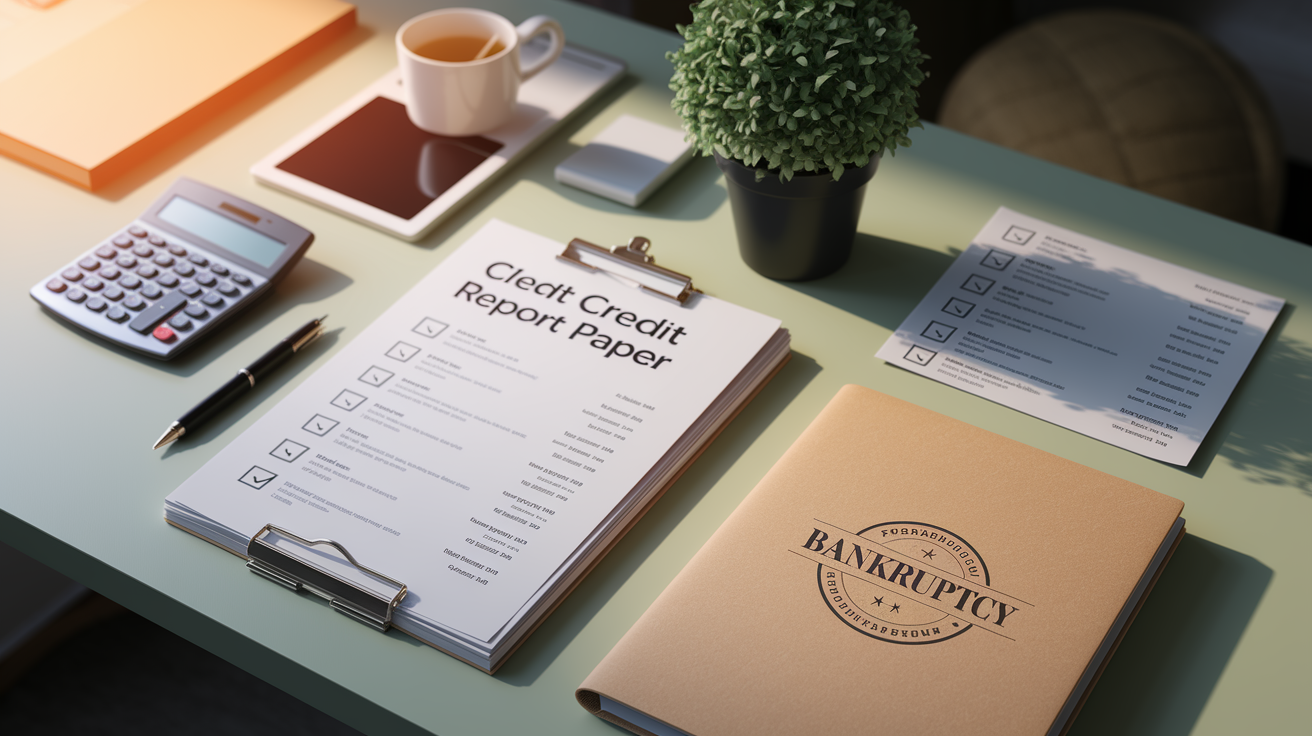
The bankruptcy discharge gives you a legal fresh start. But your credit file will carry that notation for years. Chapter 7 filings stick around for 10 years from the filing date, Chapter 13 typically for 7. That timeline feels brutal. Still, rebuilding your credit score can start on day one after discharge. Most people see real improvement within 12 to 24 months if they stick to consistent, straightforward steps.
Your first move is verifying that your credit reports reflect the discharge accurately. Discharged accounts should show zero balances and a note indicating they were included in bankruptcy. Errors happen constantly. Creditors sometimes report stale balances, wrong account statuses, or duplicate entries. Catching these mistakes early saves months of confusion and prevents them from dragging your score lower than it should be.
Building new, positive credit lines right after discharge gives the credit scoring models fresh data to work with. Payment history accounts for roughly 35 percent of your FICO score. Every on-time payment you make from this point forward helps offset the bankruptcy’s impact. The key is moving carefully and avoiding the mistakes that caused trouble before.
Follow these six steps in your first 30 days after discharge:
- Request your credit reports from all three major bureaus. Experian, Equifax, and TransUnion. Use the free annual report service or weekly free access if available.
- Review every account listed on each report. Check that discharged debts show zero balances and correct status codes.
- Dispute any errors by contacting the bureau that’s reporting the mistake. Include your discharge paperwork and a clear description of the problem.
- Update your contact information on file with each bureau so you receive alerts and dispute responses without delay.
- Set up automatic payments or calendar reminders for every recurring bill. Utilities, phone service, and any non-dischargeable debts like student loans or child support.
- Create a realistic monthly budget that covers essentials, allocates funds for on-time payments, and sets aside at least a small amount for an emergency cushion.
Using Secured Credit Cards to Build Positive Payment History
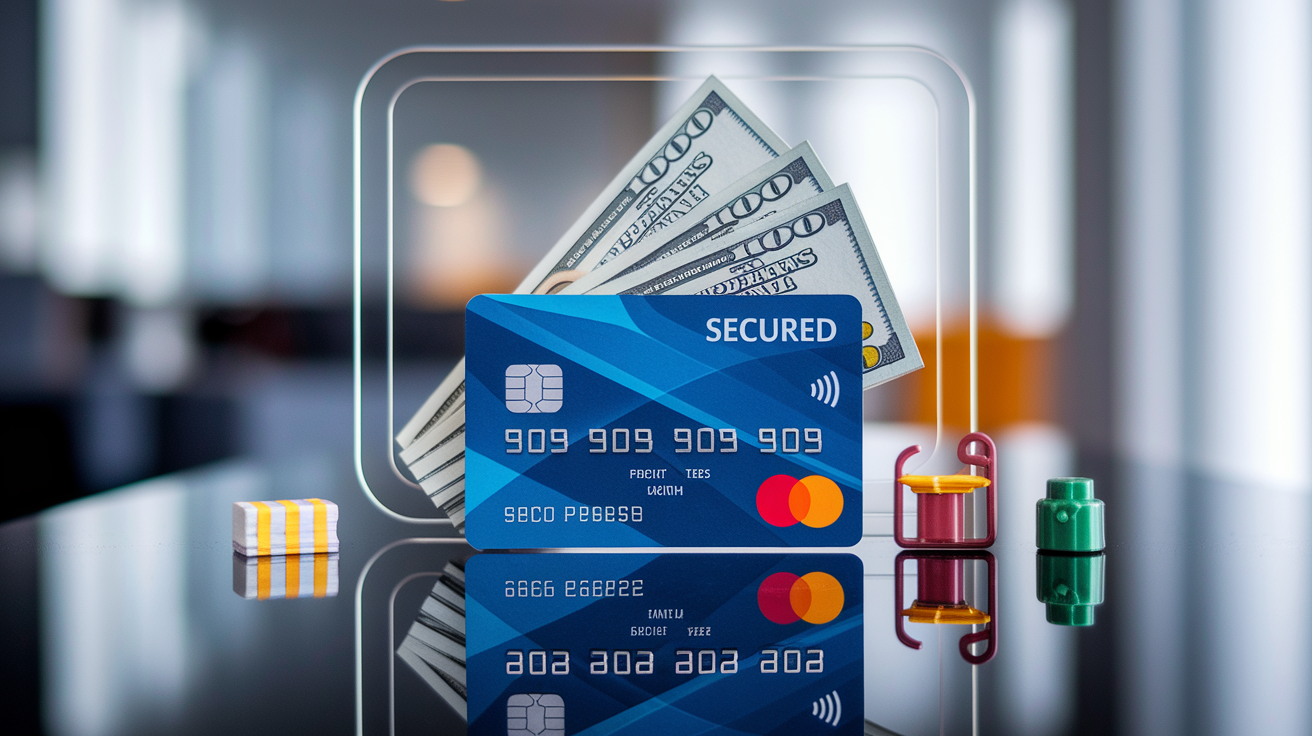
A secured credit card is one of the fastest tools for proving you can handle credit responsibly after bankruptcy. You fund the card with a cash deposit, commonly between $200 and $500, and that deposit becomes your credit limit. The card works like any other credit card. You make purchases, receive a statement, and pay it off. The issuer reports your payment activity to the credit bureaus each month, creating a fresh payment history.
Some secured card issuers accept deposits as low as $50 or as high as $1,000. Gives you flexibility if cash is tight. Read the issuer’s requirements before applying, because you can still be denied if your income is too low or if you have recent unpaid judgments. Each application triggers a hard inquiry, which can cause a small, temporary score drop. Apply only when you’re reasonably confident you’ll be approved.
Keep your balance low relative to your limit. Credit utilization, the percentage of available credit you’re using, makes up about 30 percent of your FICO score. Charging $50 on a $500 limit card keeps your utilization at 10 percent, which is ideal. Staying under 30 percent is the common advice. Staying under 10 percent is even better. Pay your statement balance in full every month to avoid interest and to show lenders you’re using credit as a tool, not a crutch.
Look for these features when choosing a secured card:
- Reports to all three major credit bureaus so your positive payments appear on every report.
- No annual fee, or a low annual fee (under $35) to keep costs manageable.
- Option to graduate to an unsecured card after several months of on-time payments, which returns your deposit.
- Clear, simple terms with no hidden fees for routine transactions.
- Accepted widely (Visa or Mastercard) so you can use it for everyday purchases like groceries or gas.
Credit-Builder Loans and Alternative Credit-Boosting Tools
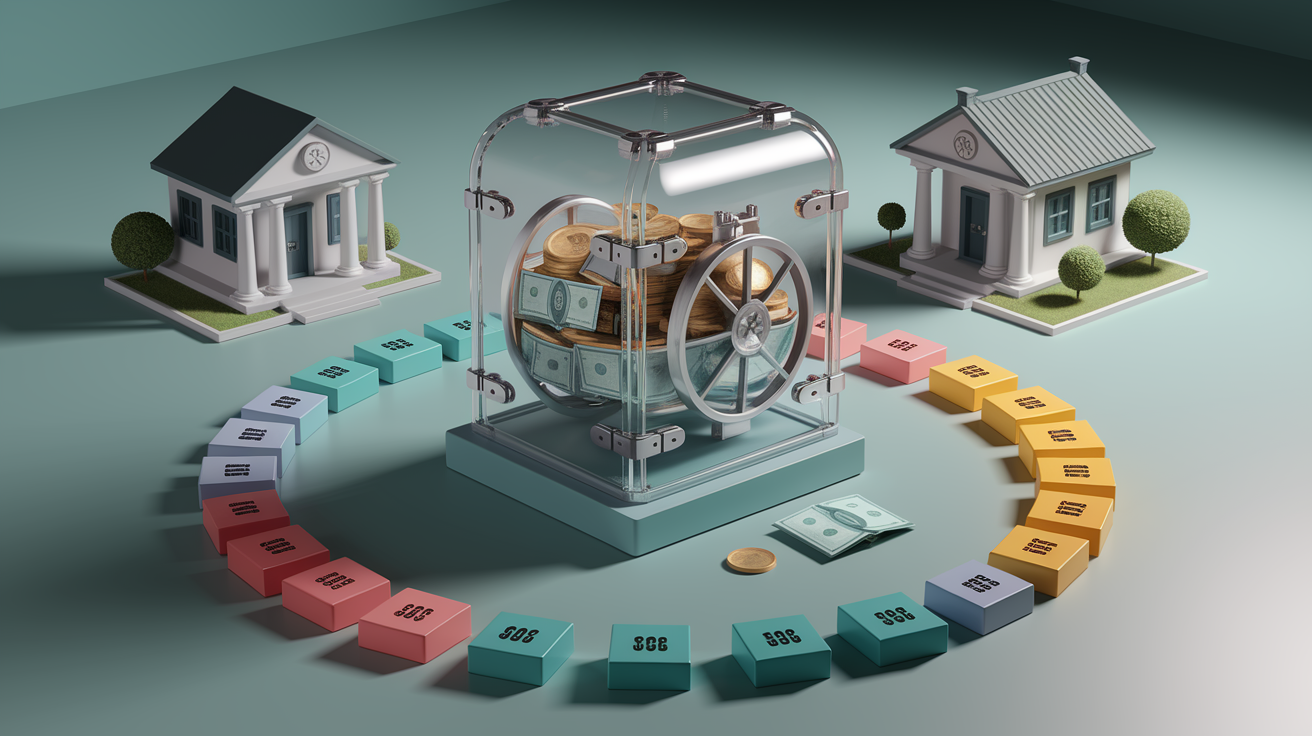
A credit-builder loan is designed specifically for people who need to add positive payment history without taking on traditional debt risk. When you’re approved, the lender deposits the loan amount, often between $300 and $1,000, into a locked savings account. You make monthly payments, typically $25 to $150, and the lender reports each payment to the credit bureaus. Once you’ve paid off the loan, you receive the full amount that was held in savings.
This structure is low-risk for both you and the lender. You’re essentially paying yourself back while building credit. Credit unions and community banks frequently offer credit-builder loans with terms ranging from 6 to 24 months. Some charge minimal interest, others charge a small administrative fee. The key benefit is consistent, reported payment history without the temptation to overspend.
If a credit-builder loan or secured card isn’t available to you right now, consider these additional tools:
- Rent-reporting services that add your monthly rent payments to your credit file, turning an expense you already pay into positive credit history.
- Utility and phone bill reporting programs. Work similarly to rent reporting and can be enrolled through third-party services or directly with some providers.
- Becoming an authorized user on a family member’s or trusted friend’s credit card account, as long as the primary account holder has a long history, low utilization, and perfect on-time payments. Their activity will appear on your report.
- Store credit accounts from major retailers that report to bureaus. Use these cautiously and only for planned purchases you can pay off immediately.
Budgeting and Cash-Flow Strategies to Support Credit Rebuilding

Rebuilding credit requires money to flow predictably each month. A working budget is the foundation. Start by listing every fixed expense. Rent or mortgage, utilities, insurance, phone, internet, transportation, and minimum payments on any non-dischargeable debts. Then estimate variable costs like groceries, fuel, and household items. The goal is knowing exactly how much you need to cover essentials and how much is left for credit rebuilding and savings.
Automate as much as possible. Set up automatic payments for your secured card, credit-builder loan, and recurring bills so you never miss a due date. If your income is irregular or you’re paid biweekly, align your payment dates with your payday schedule. Missing even one payment can erase months of progress. Treat due dates as non-negotiable.
Start building an emergency fund even if you can only set aside $25 or $50 a month. A small cushion, ideally one month of essential expenses, protects you from using credit when unexpected costs arise. Many people returning from bankruptcy worry that saving slows debt repayment. But having $500 to $1,000 in reserve prevents new late payments and keeps your rebuilding plan on track.
How to Monitor Credit Reports and Scores During Recovery
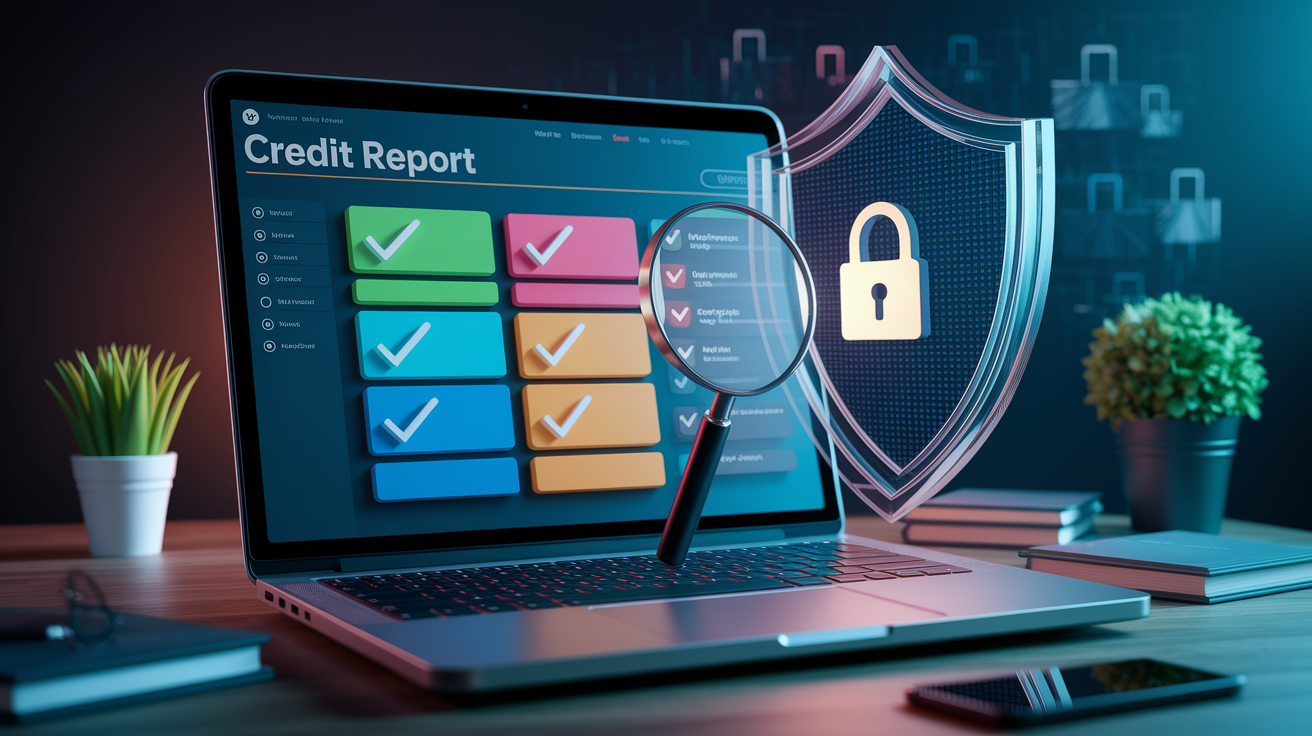
You can access your credit reports from Experian, Equifax, and TransUnion for free once per week through the official annual report service. Some monitoring tools and credit card issuers also offer free monthly score updates. Check your reports at least every three months during the first year after discharge to catch errors early and to watch your progress.
Look for accounts that should show as discharged but still list an outstanding balance. Check that payment histories are accurate and that no duplicate accounts appear. If you find a mistake, file a dispute directly with the bureau reporting the error. Include a copy of your discharge paperwork, a clear explanation, and your contact information.
Monitoring also helps you spot identity theft. Bankruptcy filings are public records, and some criminals target recent filers by opening new accounts in their names. If you see an account you didn’t open or inquiries you didn’t authorize, freeze your credit with all three bureaus immediately and file a fraud report.
Common mistakes found on credit reports after bankruptcy include:
- Discharged accounts still showing a balance owed instead of zero.
- Incorrect account status codes. Such as “charge-off” instead of “included in bankruptcy.”
- Duplicate entries for the same debt listed by the original creditor and a collection agency.
- Outdated personal information like old addresses or misspelled names that can cause accounts to be misreported.
Common Mistakes That Delay Credit Rebuilding

Avoiding missteps is as important as taking positive action. Many people emerge from bankruptcy eager to rebuild quickly and make decisions that backfire. The most damaging mistake is applying for too many credit accounts at once. Each application creates a hard inquiry, and multiple inquiries in a short window signal desperation to lenders and lower your score temporarily. Apply for one account, use it responsibly for at least six months, then consider adding another if needed.
Watch out for these pitfalls that slow recovery:
- Missing payments on new credit accounts, even small ones. Erases the positive history you’re trying to build.
- Maxing out credit limits. Drives utilization to 100 percent and signals financial stress to scoring models.
- Closing old accounts that were not discharged. Shortens your credit history and can hurt your score.
- Ignoring credit report errors and assuming they’ll fix themselves. They won’t.
- Taking on high-interest loans from payday lenders or subprime finance companies that report late payments aggressively.
- Co-signing loans for others. Puts you at risk if they miss payments and damages the credit you’re working to rebuild.
Be cautious with lenders who promise guaranteed approval or fast credit repair. If an offer sounds too good to be true or requires large upfront fees, walk away. Rebuilding credit takes time, discipline, and small, consistent actions. There’s no shortcut that won’t cost you more in the long run.
Final Words
Start by ordering your three credit reports, disputing errors, and setting up on-time payments.
Then add positive accounts — a secured card or a credit-builder loan — keep your utilization low, and follow a simple budget with a small emergency fund. Check reports often and avoid applying for too many accounts.
These steps show a clear path for how to rebuild credit after bankruptcy. It takes time, but steady, small moves usually lead to real improvement. Keep going — progress adds up.
FAQ
Q: What’s the fastest way to build credit after bankruptcy?
A: The fastest way to build credit after bankruptcy is to start right after discharge: pull all three reports, fix errors, open a secured card or credit-builder loan, keep utilization under 10%, and pay on time.
Q: Can I get an 800 credit score after bankruptcy? How to get a 700 credit score after bankruptcy?
A: You can often reach a 700 score after bankruptcy in 12–24 months with perfect payments, low balances, and steady credit lines. An 800 score is possible but usually needs several more years of solid credit history.
Q: How long after bankruptcy can I fix my credit?
A: You can start fixing your credit immediately after discharge; many people see meaningful improvement in 12–24 months with consistent positive activity, though the bankruptcy stays on reports for 7–10 years.