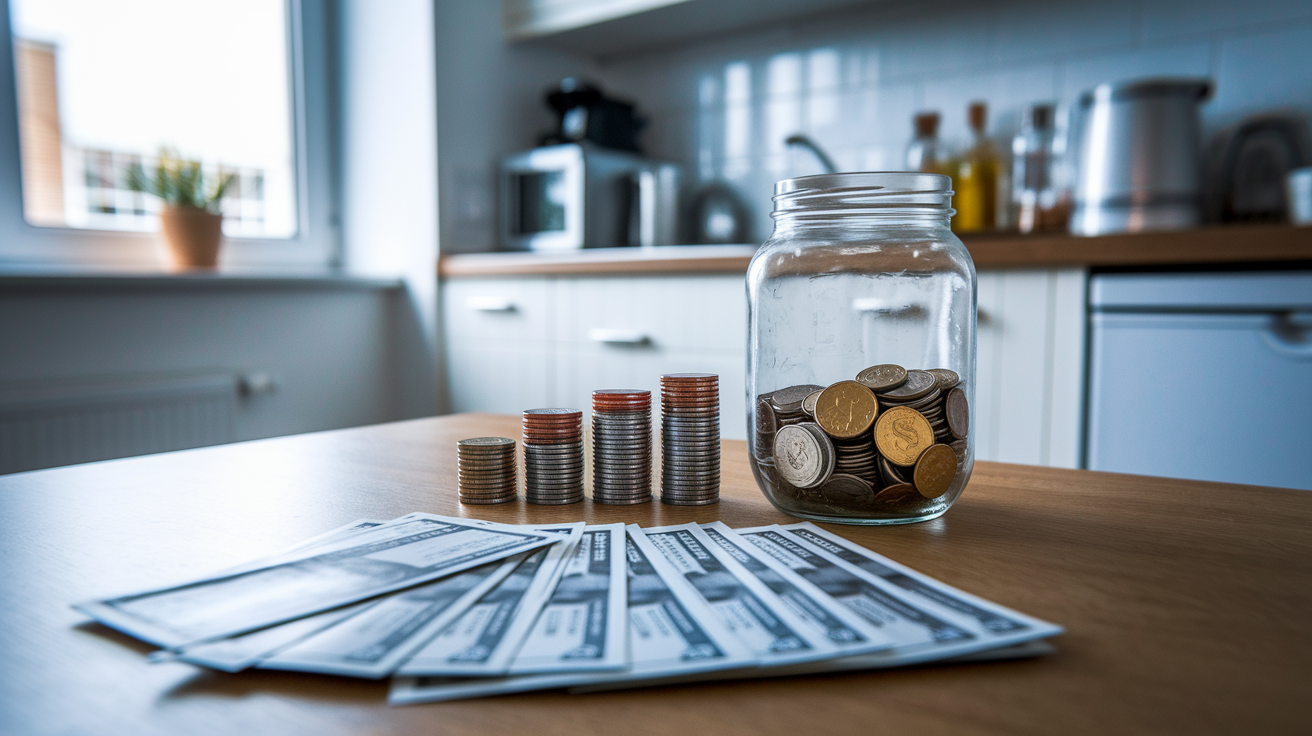

You can start an emergency fund with just ten dollars this week.
Living paycheck to paycheck doesn’t have to mean zero savings.
This short plan shows a real, step-by-step way to hit a $500 to $1,000 starter buffer.
It uses tiny weekly deposits, automatic transfers, small budget shifts, and simple income boosts.
No magic tricks. No deep cuts to rent or groceries.
If that sounds like you, you’re not alone.
Read on to learn the exact moves that make saving possible and predictable.
Immediate Emergency Savings Steps for Households Living Paycheck to Paycheck

Building a safety net when you’re barely covering rent doesn’t start with a perfect budget. It starts with ten bucks.
When your income barely covers the basics, the goal isn’t saving thousands next month. It’s saving $10 this week, then doing it again. And again.
A starter cash buffer for tight budgets usually sits between $500 and $1,000 for individuals, maybe $1,000 to $2,500 for families. Sounds impossible, right? But break it down and it gets real. $10 per week adds up to $520 in a year. $25 per week gets you $1,300. $50 per week? That’s $2,600. You can hit $500 at $25 per week in about 20 weeks. Same timeline to reach $1,000 if you’re putting in $50 weekly. Not fast. But real.
This fund has one job: covering actual emergencies. Medical bills you didn’t see coming. Car repairs that keep you from getting to work. Emergency rent money when your hours get cut. Sudden travel to help family. A short bridge between jobs. It’s not vacation money. It’s not holiday shopping.
Here’s how you start:
-
Find the smallest weekly amount you can automate without skipping meals or missing bills. Even $5 works.
-
Pick a starter target. Live alone? Aim for $500. Got kids or a partner? Go for $1,000.
-
Open the simplest savings account you can find. No penalties for withdrawals. No minimum balance nonsense.
-
Do the math on your timeline. Divide your target by what you’re saving each week.
-
Write down what counts as a real emergency so you don’t blow the fund on routine stuff.
-
Check in every 30 days. Can you add $5 more? Do it. Need to drop $5 for a month? Fine. Just restart when you can.
Budget Adjustments That Support an Emergency Fund for Tight Income Households
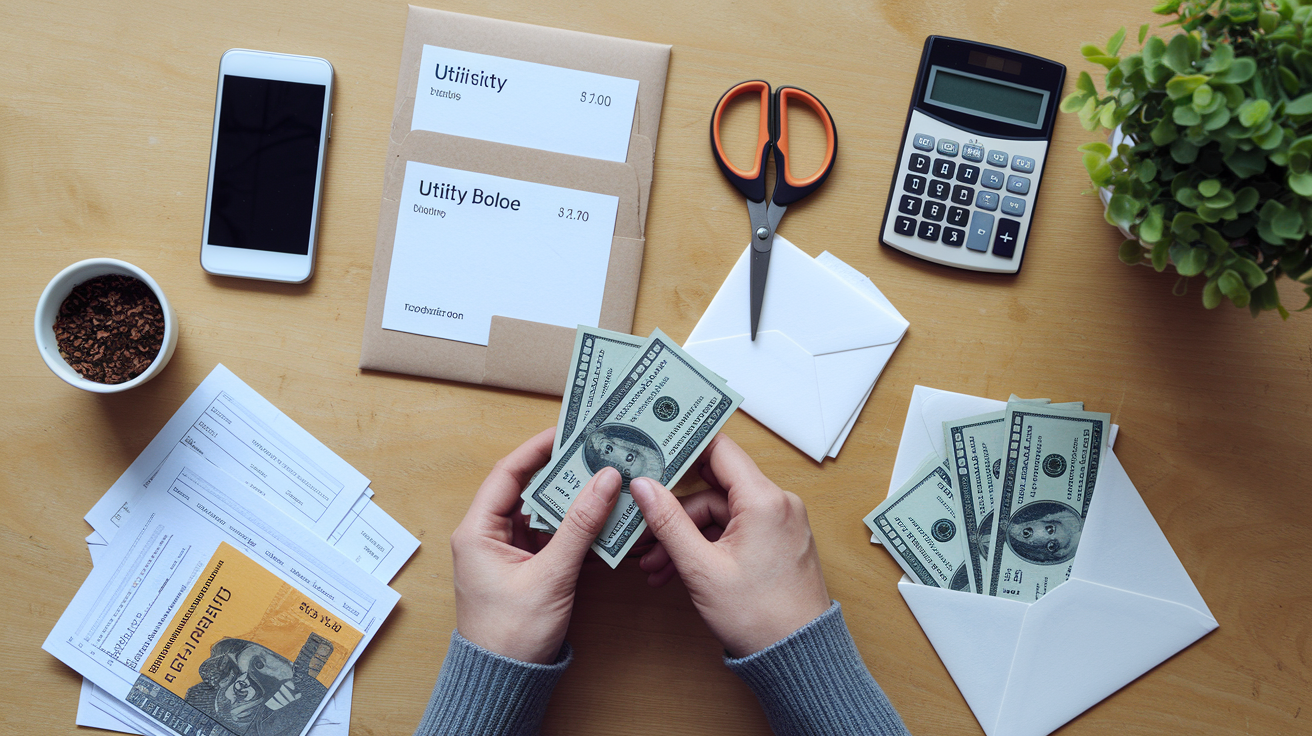
Most paycheck to paycheck households already run tight. Finding extra cash means looking at essentials differently.
You’re not cutting rent. You’re not feeding your family less. But small shifts in groceries, subscriptions, and utilities can free up $100 to $200 monthly. That’s $1,200 to $2,400 yearly, enough to build a starter fund or push past your first milestone.
Start by separating essentials from everything else. Rent, utilities, food, insurance, minimum debt payments? Those are essentials. Streaming services, premium cell plans, takeout? That’s where you can trim without real harm. The goal isn’t deprivation. It’s redirecting small amounts that add up.
Swap one restaurant meal for homemade. Cooking dinner one extra time per week saves $30 to $50 monthly, depending on your household and local prices.
Cancel or downgrade subscriptions. Look at every recurring charge. Drop what you rarely use, downgrade the rest to basic tiers.
Buy generic grocery brands. Store brand staples like rice, pasta, canned goods, dairy often cost 20 to 30 percent less without a noticeable quality drop.
Use small energy saving tactics. Unplug idle electronics, switch to LED bulbs, adjust your thermostat by two degrees. Even small cuts compound over a year.
Compare insurance, phone, and internet rates annually. Many providers offer new customer discounts or loyalty deals if you call and ask. Bundling insurance policies often unlocks more discounts.
Supplemental Micro Saving Enhancers for Building Momentum

Once you’ve got weekly automation running, you can layer in tricks that capture money you’d otherwise spend without noticing.
Automatic round up apps link to your debit card and round each purchase to the nearest dollar, moving the difference into savings. Usually a few cents per transaction, but it adds up to $20 to $50 monthly without a single decision.
Found cash deposits work the same way. Get a small rebate, a $5 birthday card, a cash refund, spare change from a purchase? Move it straight into your emergency fund before it disappears into your wallet.
Behavioral anchors like “no spend windows” help too. Pick one day per week when you buy nothing except absolute necessities. It reinforces pausing before each purchase and asking whether it can wait.
These techniques don’t replace your core weekly deposit. But they add extra momentum that shortens your timeline and builds confidence.
Choosing the Right Account for a Paycheck to Paycheck Emergency Fund Plan

Your emergency fund can’t live in your checking account. If the money sits there, it’ll disappear into groceries, gas, or an unexpected dinner out. Separation creates a small barrier that protects your buffer from accidental spending.
Look for a savings account that’s FDIC insured, charges no monthly fees, requires no minimum balance, and lets you withdraw money quickly without penalties. High yield savings accounts often pay around 4 to 5 percent annual interest, which helps your fund grow faster. Traditional savings accounts at big banks often pay almost nothing, so the difference matters over time. A few extra dollars in interest per year might not sound important, but when you’re building from zero, every dollar counts.
Don’t keep your core emergency savings in checking where a debit card makes spending too easy. Don’t put it in volatile investments or funds with early withdrawal penalties either. You need instant access during a crisis, and you can’t afford to lose money because the market dropped the week your car broke down.
Prioritize cash accessible account features like mobile app access, no withdrawal limits, and same day or next day transfer to checking when you need it.
Income Boosting Strategies to Speed Up an Emergency Fund Plan

When your budget’s already trimmed to the bone, the fastest way to build an emergency fund is increasing what comes in.
About 54 percent of adults report having a side gig, and the barrier to entry is lower than ever. You don’t need a business license or a polished resume. You need a few hours per week and a willingness to try something new.
Small income streams are easier to manage than a second full time job, and they often fit into gaps in your schedule. Evenings, weekends, nap times, slow weeks. Even an extra $50 to $100 monthly makes a material difference. That’s $600 to $1,200 yearly, which can fund your starter emergency buffer or help you rebuild after a setback.
Neighborhood babysitting or pet sitting. Parents and pet owners in your area often need reliable help on short notice. Word of mouth and local social media groups can connect you to steady gigs.
Rideshare or delivery driving. Platforms let you work whenever you have time, and you can stop when your savings goal is met.
Online tutoring or homework help. If you’ve got subject knowledge or teaching experience, tutoring platforms match you with students who pay by the session.
Selling unused items. Clothing, electronics, furniture, and kids’ toys gathering dust can turn into immediate cash through marketplace apps.
Remote part time work. Customer service, data entry, and scheduling roles are often available on flexible schedules that fit around a primary job.
Partner overtime or a raise request. If your partner has access to overtime shifts or has been in their role long enough to ask for a modest raise, that income can be earmarked for savings.
Emergency Fund Automation Tips for Variable or Irregular Income

Automating transfers on payday works great when your paycheck arrives like clockwork. But irregular income from freelance work, seasonal jobs, gig platforms, or commission based roles requires a slightly different approach.
The core principle stays the same: make saving automatic so you don’t have to remember or decide. The adjustment is in how you trigger the transfer.
If your income changes week to week, set a minimum transfer amount you know you can always afford, even in your slowest weeks. On weeks when you earn more, manually add a second transfer to capture the extra. For example, if your baseline is $10 per week, automate that amount every Friday. If you bring in an extra $50 one week, immediately move $25 of it to savings before it gets absorbed into spending. Tracking income spikes and contribution opportunities on a simple calendar reduces missed deposits and helps you see patterns over time.
Choose your guaranteed minimum weekly amount based on your lowest earning weeks, not your average weeks.
Schedule that minimum transfer to occur automatically on the same day each week, ideally right after income hits your account.
When you receive a paycheck or gig payment above your baseline, log in and move a percentage of the extra to savings within 24 hours.
Review your income and contribution history every 30 days. If your income has stabilized at a higher level, raise your automated minimum to reflect the new floor.
Managing Emergencies and Preventing Drain on a Hard Earned Safety Buffer

The hardest part of building an emergency fund isn’t saving the money. It’s not spending it on things that feel urgent but aren’t true emergencies.
When you’re living paycheck to paycheck, every unexpected expense feels like a crisis. A broken phone, a holiday gift, an annual car registration fee. They all create stress. But using your emergency fund for predictable or nonessential costs will drain it before a real emergency arrives.
A real emergency is something unplanned, necessary, and time sensitive. It’s a medical bill that insurance didn’t cover. It’s a car repair you need to get to work. It’s rent backup when your hours are cut or you lose your job. It’s emergency travel to help a sick family member. These situations threaten your safety, health, housing, or ability to earn income. Everything else is either a planned expense you should budget for separately or a want that can wait.
Create a short written list of what qualifies and keep it with your account login or taped to your fridge. When you’re tempted to dip into savings, check the list first. If the expense doesn’t appear, find another solution. A payment plan, a temporary side gig, a spending pause in another category, or simply saying no.
Uninsured or underinsured medical costs that require immediate payment to receive care or prescriptions.
Essential home or car repairs that directly affect safety, habitability, or your ability to work.
Job loss or sudden income drop that threatens rent, utilities, or food while you search for new work.
Emergency family travel for illness, death, or urgent caregiving that can’t be postponed.
Rent or mortgage backup to prevent eviction or foreclosure during a temporary financial gap.
If you do need to use the fund, restart your automatic transfer as soon as possible. Even if you can only afford half your usual amount for a few weeks. The fund’s value isn’t just the dollar amount. It’s the habit of saving and the psychological cushion that comes from knowing you have options.
Tracking and Celebrating Progress With a Paycheck to Paycheck Emergency Fund Plan

Slow progress feels discouraging unless you mark the milestones.
When you’re saving $10 or $25 per week, it can take months to see a number that feels meaningful. That’s why breaking your goal into smaller checkpoints keeps you motivated and reminds you that the plan is working.
Set three early milestones: $250, $500, and $1,000. Each one represents real protection. $250 covers a small car repair or a co pay for an urgent care visit. $500 covers a larger repair, a portion of rent, or several days of groceries if income stops. $1,000 is a genuine starter emergency fund that can handle multiple small crises or one moderate one.
Use a savings app, a simple spreadsheet, or a printed calendar to track every deposit. Monthly reviews let you see your total grow and give you a chance to adjust your contribution if your situation improves.
First checkpoint: $250. Celebrate when you hit this number. You now have a small cushion that didn’t exist before.
Second checkpoint: $500. This amount can cover many common emergencies and proves the system works.
Third checkpoint: $1,000. At this level, you’ve built a legitimate starter emergency fund that provides measurable security and options during a crisis.
Final Words
Start small, and automate it. Even $10 or $25 a week adds up.
Pick a realistic starter target ($500-$1,000 for an individual, $1,000-$2,500 for a family), use a separate low-fee account, trim one expense, try round-up tools, and add a tiny side income if you can. Track milestones and reserve the fund for true emergencies.
Your emergency fund plan for paycheck-to-paycheck households is doable. Small wins build steady peace of mind.
FAQ
Q: What is the 3 6 9 rule for emergency fund / What is the 3 6 9 rule for money?
A: The 3-6-9 rule for emergency funds means keeping about 3 months of expenses as a starter, 6 months for typical households, and roughly 9 months if income is unstable or you’re self-employed.
Q: What is the 70/20/10 rule money?
A: The 70/20/10 rule means using 70% of take-home pay for living costs, saving 20% for goals, and allocating 10% to debt repayment or giving, a simple split to balance spending and saving.
Q: Is $20,000 too much for an emergency fund?
A: Whether $20,000 is too much depends on your monthly expenses and job risk. Compare it to 3-9 months of living costs; if it exceeds that, it’s likely larger than needed but still safe.