
Think secured credit cards are useless for fixing a bad score?
They work when you use them the right way.
Secured credit cards for rebuilding credit report your payments to the bureaus and let you rebuild payment history and lower your credit utilization.
This post shows, step-by-step, how to choose a card that reports to all three bureaus, use small recurring charges and autopay to avoid interest and late marks, and how quickly you might see real score gains.
If that sounds like you, you’re not alone.
How Secured Credit Cards Rebuild Credit Step-by-Step

Secured credit cards rebuild credit through consistent monthly reporting to Equifax, Experian, and TransUnion. Every payment you make, every balance you carry, that activity gets sent to the bureaus and becomes part of your credit file. Payment history is the biggest factor in credit scoring models. It’s usually about 35 percent of your FICO score. Credit utilization comes next at around 30 percent. When you use a secured card the right way, you’re building positive evidence in both areas at once.
The mechanics are simple. Once your secured card is active, every statement cycle creates a payment due date. Pay on time and that on-time payment gets reported. Keep your balance low compared to your limit and your utilization ratio stays healthy. Your score reflects that discipline. Late payments do the opposite. They stick around on your credit report for seven years and can undo months of rebuilding work. Reporting happens monthly, so good habits stack up fast. Bad habits leave marks that last.
Most people see their first score movement within 30 to 60 days. Bigger changes show up in the three to six month window. There’s more timeline detail later, but the key point is this: rebuilding starts the moment the issuer sends your first report to the bureaus.
The process follows five steps:
-
Apply for a secured card that reports to all three major bureaus. Confirm the reporting policy before you put down the deposit.
-
Use the card for small recurring purchases. One monthly subscription or utility payment keeps the account active and generating positive data.
-
Keep balances low. Try to use less than 30 percent of your limit. Under 10 percent is even better.
-
Make every payment on time. Set autopay for at least the minimum and pay the full statement balance to skip interest charges.
-
Monitor your credit regularly. Check your reports every 30 to 60 days and dispute errors right away.
Key Mechanics of Secured Credit Cards and Deposits

A secured credit card works by holding a refundable cash deposit that usually matches your credit limit. Deposit 200 dollars and your credit line is typically 200 dollars. Deposit 500 dollars and your limit is 500 dollars. The deposit acts as collateral, which cuts the issuer’s risk and makes approval easier for people with poor credit or no credit history. The money sits in a restricted account while your card’s active. You can’t withdraw it or spend it directly.
You get the deposit back in two situations. First, when you close the account in good standing, meaning you’ve paid off any balance and don’t have recent late payments. Second, when the issuer upgrades you to an unsecured card after several months of solid payment activity. Plenty of issuers review accounts for upgrade eligibility after six to twelve months of on-time payments. Once you’re upgraded, the deposit comes back and your credit line usually stays the same or goes up. Some secured cards are held at FDIC-insured banks, so the deposit itself is protected by federal insurance up to standard limits. But that protection doesn’t guarantee you’ll get your deposit back if you default or miss payments.
Secured Cards vs Unsecured Cards for Credit Rebuilding
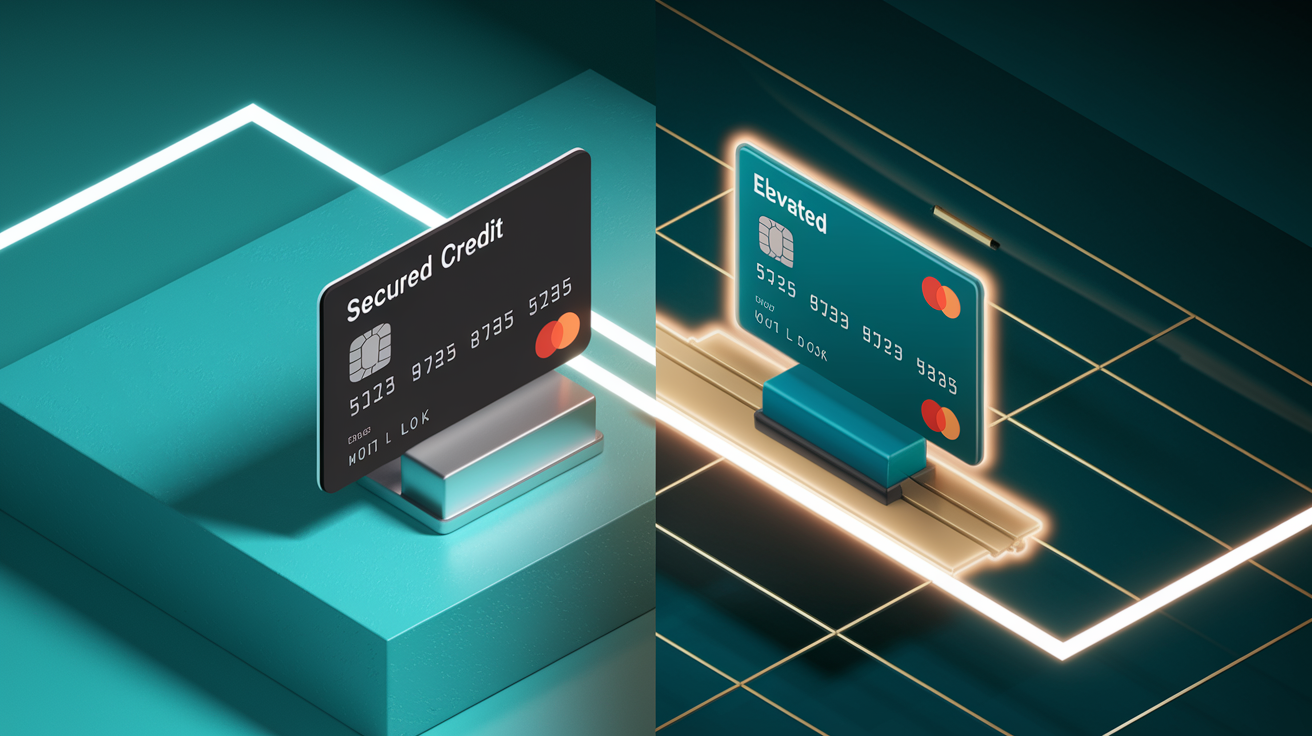
Secured cards need a cash deposit to open. Unsecured cards don’t. That one difference creates a bunch of other practical distinctions. Secured cards are built for people who can’t qualify for unsecured credit because of a thin file, past defaults, or low scores. Unsecured cards assume the applicant already has a track record of managing credit and poses less risk to the lender.
Secured cards often start with lower credit limits, usually between 200 and 500 dollars, matching the deposit amount. Unsecured cards for people with good credit can start at several thousand dollars. Secured cards may charge annual fees and offer limited or no rewards, though some 2026 products do include cash back programs. Unsecured cards aimed at prime borrowers usually offer better rewards, sign-up bonuses, and travel perks. The trade-off is access. A secured card is almost always easier to get approved for, even with a recent bankruptcy or multiple missed payments on your file.
The biggest upside of a secured card is the upgrade path. After six to twelve months of perfect payment behavior, a lot of issuers will convert your secured card to an unsecured card, return your deposit, and sometimes raise your limit. That conversion keeps the account’s age and history intact, which helps your credit score over time.
Key differences that matter for rebuilding:
- Approval requirements: Secured cards accept very low or no credit scores. Unsecured cards usually need fair credit or better.
- Deposit: Secured cards require a refundable deposit. Unsecured cards don’t.
- Credit limits: Secured cards start low and equal the deposit. Unsecured cards can start much higher.
- Upgrade potential: Secured cards offer a direct path to unsecured status. Unsecured cards don’t need upgrading.
Choosing the Best Secured Credit Card for Your Situation

Not all secured cards are the same. Some charge no annual fee and offer rewards. Others charge 35 or 49 dollars a year and give you nothing back. APRs range from around 13 percent to nearly 30 percent, but if you pay your statement balance in full every month, the APR doesn’t matter because you never pay interest. The features that count most are reporting to all three bureaus, low or zero annual fees, a reasonable minimum deposit, and a clear upgrade policy.
Start by confirming the issuer reports to Equifax, Experian, and TransUnion. A card that doesn’t report to all three leaves gaps in your credit file and slows rebuilding. Next, compare the deposit requirement and annual fee against what you can afford. A 200 dollar deposit with no annual fee is easier to manage than a 500 dollar deposit with a 49 dollar fee. Ask about the upgrade timeline and whether the issuer does automatic reviews or if you need to request conversion yourself.
| Card Feature | Why It Matters |
|---|---|
| Reports to all three bureaus | Ensures your payment history shows up on every major credit report |
| Low or zero annual fee | Cuts the cost of rebuilding and keeps more of your deposit refund |
| Clear upgrade path | Lets you convert to unsecured status and get your deposit back after good behavior |
| Competitive APR | Only matters if you carry a balance. Pay in full to avoid interest completely |
Application Requirements and Approval Factors for Secured Cards
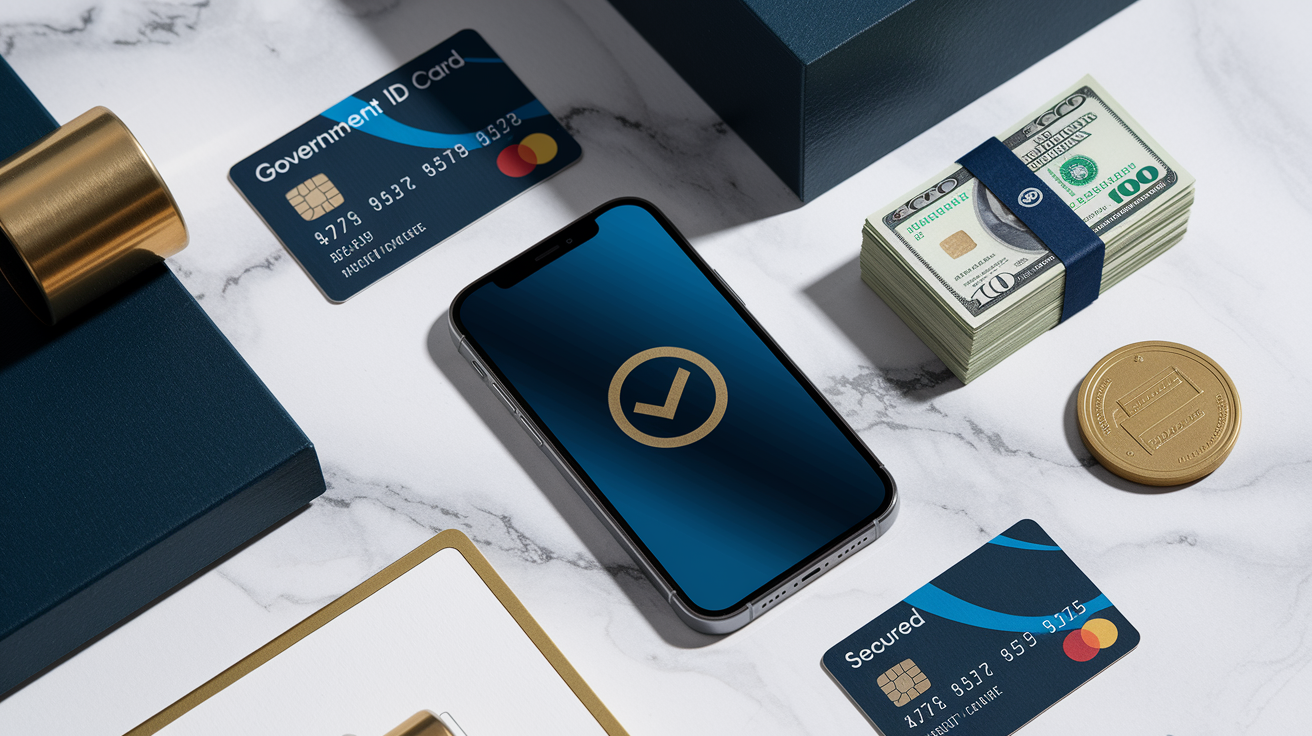
Most secured credit card applications ask for basic information. You need to be at least 18 years old and have a valid Social Security number or Individual Taxpayer Identification Number. The issuer will verify your identity using a government-issued ID and may ask for proof of address. Some issuers also need you to link a bank account to fund the security deposit, though others accept money orders or checks.
Credit checks vary by issuer. Some secured cards do a soft inquiry during pre-qualification, which doesn’t affect your credit score. If you move forward with the full application, a hard inquiry may show up on your report and can lower your score by a few points for up to twelve months. Other issuers skip the credit check entirely and approve based solely on your ability to fund the deposit. Approval odds are generally high even with poor credit, recent bankruptcies, or no credit history at all, because the deposit protects the issuer from loss.
Before you apply, have these ready:
- Valid government-issued ID like a driver’s license, passport, or state ID.
- Social Security number or ITIN for identity verification and credit bureau reporting.
- Enough funds to cover the refundable deposit and any initial fees like annual fees, activation fees, or first payment.
Best Practices for Maximizing Credit Score Improvement with Secured Cards
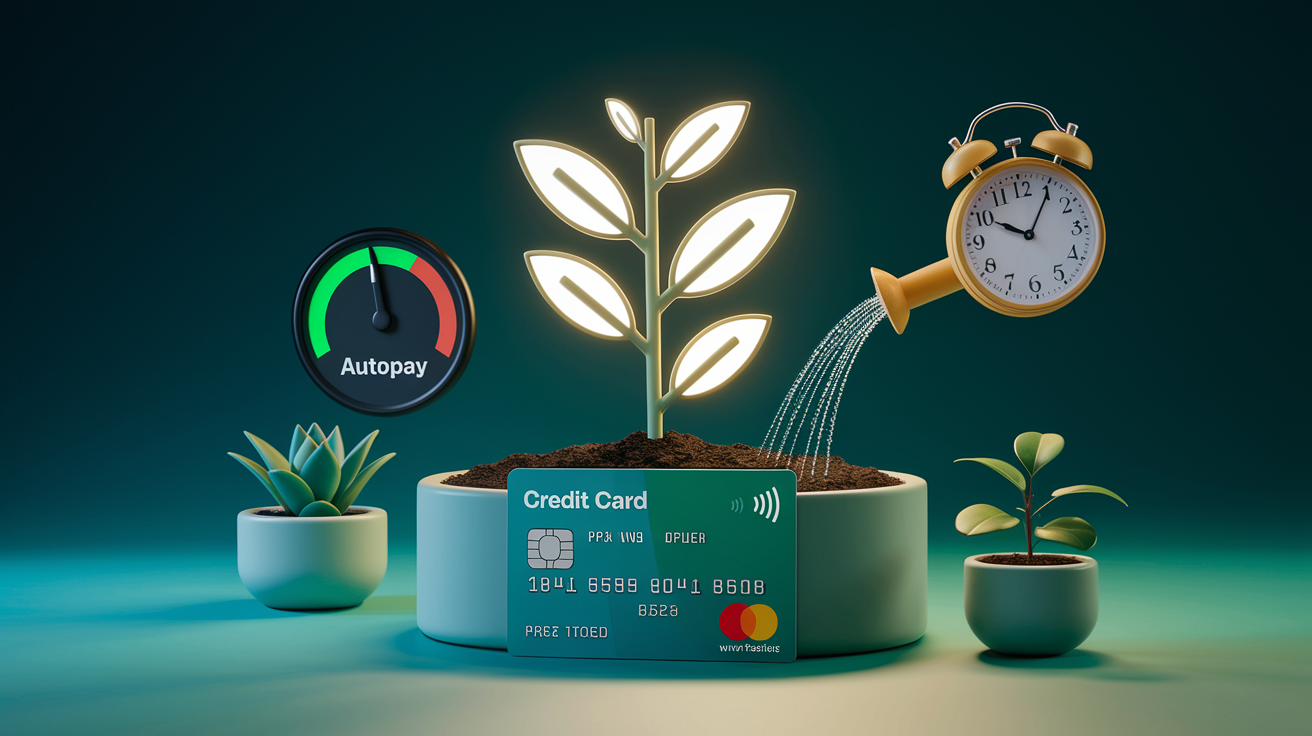
The fastest way to rebuild credit with a secured card is to keep your utilization ratio low and your payment record perfect. Utilization is the percentage of your credit limit you’re using at any given time. If your limit is 200 dollars and your balance is 60 dollars, your utilization is 30 percent. Scoring models prefer utilization below 30 percent. Even better results come when you stay below 10 percent. On a 200 dollar limit, that means keeping your balance under 20 dollars most of the time.
Paying in full every month is the second non-negotiable. You don’t need to carry a balance to build credit. That myth costs people money in unnecessary interest charges. Set up autopay for at least the minimum payment to protect against accidental late payments, then manually pay the full statement balance before the due date. If your APR is 27 percent and you carry a 200 dollar balance for a year, you’ll pay about 54 dollars in interest. Paying in full avoids that cost completely.
Regular use matters too. An inactive secured card may eventually get closed by the issuer, and a closed account stops generating positive payment history. Charge one small recurring expense like a streaming subscription or phone bill and pay it off every month. That keeps the account active and creates a steady stream of on-time payment reports to the bureaus.
Follow these six practices to speed improvement:
- Keep utilization under 10 percent of your credit limit whenever you can.
- Pay the full statement balance every month to avoid interest charges.
- Set autopay for the minimum payment as a safety net, then pay manually in full.
- Use the card for at least one small purchase each month to maintain activity.
- Avoid cash advances and balance transfers. They usually carry higher fees and interest.
- Monitor your credit reports monthly and dispute errors as soon as they show up.
Expected Credit Score Timeline When Using a Secured Card
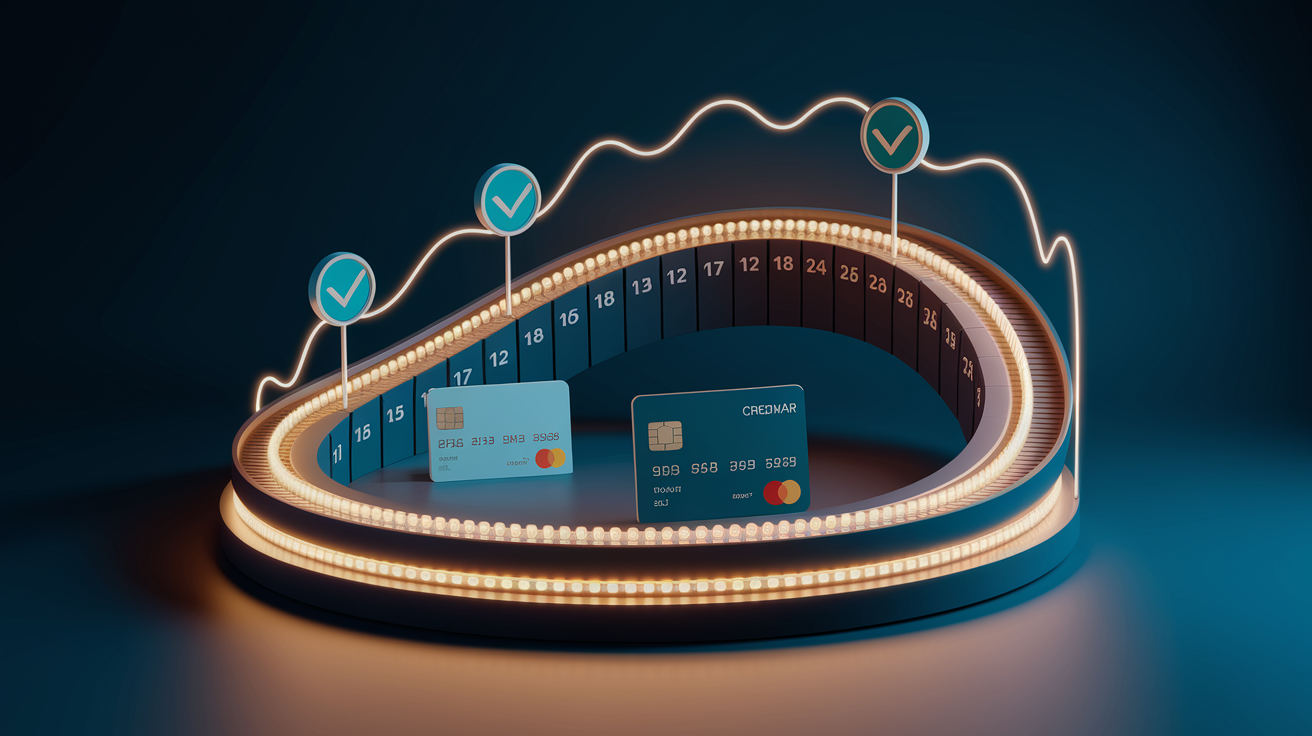
Credit bureaus update your file once a month after your issuer sends the latest activity report. If you open a secured card in January and make your first on-time payment in February, that payment will typically show up on your credit report by mid-March. The first visible change to your score can happen within 30 to 60 days, though the size of the change depends on what else is in your file. If you have recent late payments or collections, one or two on-time payments may not move your score much. If your file is thin and the secured card is your only active tradeline, the impact can be more noticeable.
Most people see real improvement in the three to six month range. By that point, you have three to six consecutive on-time payments reported, your utilization pattern is established, and any hard inquiry from the application has started to age. Bigger score gains like moving from poor credit (below 580) to fair credit (580 to 669) or from fair to good (670 to 739) usually take six to twelve months or longer, especially if you’re also working to resolve collections, charge-offs, or other negative marks. Late payments stay on your report for seven years, so one missed payment during rebuilding can set you back a lot.
Here’s a sample timeline based on consistent responsible use:
- 30 days: First statement closes and issuer reports your on-time payment and low utilization to the bureaus.
- 60 days: Second on-time payment reported. Credit score may show small upward movement as positive data piles up.
- 90 days: Three consecutive on-time payments establish a pattern. Utilization trend becomes visible to scoring models.
- 180 days: Six months of perfect payment history. Many issuers start reviewing accounts for upgrade eligibility.
- 365 days: One year of responsible use. Deposit may get refunded upon upgrade to unsecured status. Credit score improvement is typically noticeable if all other factors are controlled.
Recommended Secured Credit Card Options for 2026

Choosing a secured card in 2026 means comparing deposit requirements, annual fees, APRs, rewards, and reporting policies across multiple issuers. The cards below cover a range of options, from low fee products to cards offering cash back rewards. Always verify current terms with the issuer before applying, since rates and fees can change.
| Card Name | APR | Annual Fee | Rewards | Minimum Deposit | Reports to All Bureaus |
|---|---|---|---|---|---|
| Opensky Secured Visa | 23.89% (variable) | $35 | 10% cash back | $200 | Yes |
| Credit One Bank Secured Card | 29.74% (variable) | $0 | 1% cash back | $200 | Yes |
| First Latitude Secured Mastercard | 27.49% (variable) | Varies | 1–10% cash back | $200 | Yes |
| First Progress Prestige Secured Mastercard | 13.49% (variable) | $49 | Cash back rewards | $200 | Yes |
| First Progress Select Secured Mastercard | 17.49% (variable) | $39 | Cash back rewards | $200 | Yes |
The First Progress Prestige card offers the lowest APR in this group at 13.49 percent, which matters if you ever carry a balance, though paying in full is always the smarter move. The Credit One Bank Secured Card charges no annual fee and reports to all three bureaus, making it a solid low cost option. The Opensky Secured Visa offers 10 percent cash back, which is unusually high for a secured card, though the 35 dollar annual fee cuts into the net benefit. All five cards report to Equifax, Experian, and TransUnion, which is the minimum requirement for real credit rebuilding.
Common Pitfalls to Avoid When Rebuilding Credit with Secured Cards

The most damaging mistake is picking a secured card that doesn’t report to all three major credit bureaus. Some prepaid cards and store-branded secured cards only report to one bureau or none at all, which means your payment history never reaches the scoring models that lenders use. Always confirm reporting before you fund the deposit.
High utilization is the second common pitfall. Maxing out a 200 dollar secured card and carrying that balance month after month signals financial stress to scoring models and can actually lower your score even if you’re making on-time payments. Keep your balance below 30 percent of the limit. Aim for under 10 percent whenever possible. Inactivity is also risky. If you open a secured card and never use it, the issuer may close the account for lack of activity, and a closed account stops generating positive payment data.
Five pitfalls to watch for:
- Non-reporting issuers: Cards that don’t report to Equifax, Experian, and TransUnion provide no credit building benefit.
- High utilization: Balances above 30 percent of your limit hurt your score even with on-time payments.
- Late or missed payments: A single late payment stays on your report for seven years and can reverse months of progress.
- Excessive fees: Annual fees above 49 dollars or monthly maintenance fees eat into the value of rebuilding.
- Applying for multiple cards at once: Each hard inquiry lowers your score temporarily, and multiple inquiries signal risk to lenders.
FAQs About Secured Credit Cards and Credit Rebuilding
Will I get my deposit back if I close my secured card?
Yes, if you close the account in good standing. That means you’ve paid off any balance and don’t have recent late payments. The issuer will refund your deposit. The refund usually arrives within one to two billing cycles after closure.
Do all secured card applications involve a hard credit inquiry?
Not always. Some issuers offer pre-qualification with a soft pull that doesn’t affect your score. If you move forward with the full application, a hard inquiry may get added to your report. A few secured cards skip the credit check entirely and approve based on your deposit.
How soon will my secured card activity appear on my credit report?
Most issuers report to the bureaus once a month, usually after your statement closing date. Your first payment or balance update should show up on your credit report within 30 to 60 days of account opening.
Can I upgrade my secured card to an unsecured card?
Many issuers allow upgrades after six to twelve months of on-time payments and responsible use. Some review accounts automatically. Others need you to request an upgrade. When upgraded, your deposit gets refunded and your account history is preserved.
What happens if I miss a payment on my secured card?
The issuer will report the late payment to the bureaus, and it’ll stay on your credit report for seven years. You’ll also get hit with a late fee, and your account may be subject to penalty APR. Missing payments while rebuilding can set your progress back a lot.
Is a secured card better than a prepaid card for building credit?
Yes. Prepaid cards don’t report to credit bureaus, so they provide no credit building benefit. Secured cards report your payment activity monthly, making them an effective tool for rebuilding or establishing credit history.
Final Words
Use a secured card the right way: apply, use it monthly, keep balances low, and make every payment on time. Issuers report to the bureaus each month, so payment history and utilization move your score faster than anything else.
Expect small gains in 30 to 60 days and more noticeable improvements in 3 to 6 months. Missed payments stay on your report for 7 years, so autopay helps.
With secured credit cards for rebuilding credit explained here, you have a clear path to follow. Stick with it and you’ll see progress.
FAQ
Q: Are secured credit cards good for rebuilding credit?
A: Secured credit cards are a good way to rebuild credit because issuers report activity to the three major bureaus; making on-time payments and keeping utilization below 30% repairs your score over months.
Q: How long does it take to build credit from 600 to 700?
A: Moving from 600 to 700 often takes several months to a year; you may see changes in 30–60 days, clearer improvements in 3–6 months, and stronger gains by 6–12 months with consistent behavior.
Q: What is the easiest credit card to get to rebuild credit?
A: The easiest card to get to rebuild credit is usually a secured credit card; many issuers approve people with poor or no credit and will report activity to bureaus if you use it responsibly.
Q: How exactly do secured credit cards work?
A: Secured credit cards work by having the issuer report your monthly activity to credit bureaus, so responsible use—low balances, on-time payments, and regular reporting—builds credit history even with limited past credit.