

What if paying less now wrecks your credit for years?
Debt consolidation and debt settlement both cut your burden, but they work very differently.
Consolidation replaces many bills with one loan or balance transfer to lower your rate and keep accounts current.
Settlement means negotiating to pay less than you owe, usually after you stop paying and save a lump sum.
Choose consolidation when you can qualify and want to protect or rebuild credit.
Choose settlement only as a last resort—when you can’t pay in full and accept the credit hit and possible tax bill.
Core Comparison to Decide Between Consolidation and Settlement

Debt consolidation takes multiple debts and replaces them with one new account. Usually a personal loan, balance transfer card, or home equity product. The goal is a simpler monthly payment and a lower interest rate. Settlement works differently. You’re negotiating with creditors to accept less than you owe, often after you stop paying and save up a lump sum.
The big tradeoff? Credit health versus principal reduction. Consolidation can protect your credit, even improve it if you get a lower APR and stay on top of payments. But you still owe the full balance. Settlement can wipe out thousands of dollars, but your credit takes a beating. Scores can drop 50 to 150 points or more, and those negative marks stick around for up to seven years. Consolidation makes sense if your credit score is decent and you’ve got steady income. Settlement is last resort territory, when you’re already behind, can’t catch up, and you need principal relief no matter the cost to your credit, the fees, or possible tax liability.
Here’s a simple rule: pick consolidation when you want to lower interest, simplify payments, and keep your credit score intact. Pick settlement only when you can’t realistically repay your balances in full, you’ve already missed payments, and you’re willing to accept the damage to your credit and the tax hit on forgiven debt.
Key decision indicators:
- Credit score: Consolidation usually needs a score of 620 or higher to get approved (660+ for competitive rates). Settlement is often pursued by borrowers whose scores have already tanked.
- Debt amount: Settlement companies typically want at least $5,000 to $10,000 in total debt to make it worth their while.
- Cash flow: If you can swing monthly payments on a new loan or balance transfer, consolidation is safer. If you can only afford to save toward a lump sum while missing payments, settlement might be your only option.
- Risk tolerance: Settlement opens you up to creditor lawsuits, wage garnishment, and the chance creditors refuse your offer. Consolidation keeps you in good standing.
- Tax exposure: Any forgiven debt over $600 might be taxable income. Consolidation has no forgiven balance, so no tax risk.
- Timeline: Consolidation can close within days to weeks. Settlement typically takes 12 to 48 months to build the lump sum and finish negotiations.
Debt Consolidation Overview and How It Works

Debt consolidation means taking out one new loan or one new credit card account and using it to pay off several existing debts. Once the old balances are cleared, you’re down to a single monthly payment. The appeal is simplicity. And if the new account carries a lower interest rate than your old debts, you could save hundreds or thousands in interest over time.
Personal consolidation loans typically run between 6 and 36 percent APR, depending on your credit profile, and have terms ranging from 12 to 120 months. Borrowers with good credit (scores around 700 or higher) often land rates between 6 and 12 percent. Balance transfer credit cards offer another route: many cards advertise 0 percent APR for 12 to 21 months, though you’ll pay a transfer fee of 3 to 5 percent on the balance you move. Home equity loans and HELOCs often have lower rates than unsecured loans, but they use your home as collateral. If you default, you risk foreclosure.
The math matters. Say you’ve got $15,000 of credit card debt at a typical 24 percent APR. Paid over 36 months, that costs roughly $589 per month and $6,203 in total interest. If you consolidate that balance into a personal loan at 12 percent APR for the same 36 months, your payment drops to about $498 per month and total interest falls to $2,940. That’s a savings of approximately $3,263 in interest and $90 per month. That savings disappears, though, if origination fees are high, if you stretch the term so far that total interest climbs, or if you run up new debt on the credit limits you just freed up.
| Product Type | Typical APR/Cost | Key Risk |
|---|---|---|
| Personal loan | 6%–36% APR; origination fees 1–8% | Extending term increases total interest; qualifying for low rates requires good credit |
| Balance transfer card | 0% promo for 12–21 months; 3–5% transfer fee | Rates jump after promo; qualification requires strong credit (660+) |
| Home equity loan or HELOC | Rates typically lower than unsecured; closing costs apply | Foreclosure risk if you miss payments; collateral is your home |
Debt Settlement Overview and How Negotiation Works

Debt settlement is the practice of negotiating with creditors to accept a lump sum that’s less than the full balance you owe. Many borrowers go through for-profit companies that collect monthly deposits into a dedicated account over 12 to 48 months while the company negotiates on your behalf. Others negotiate directly to avoid agency fees.
Here’s how the typical process works. You stop making regular monthly payments to your creditors and instead deposit money into a separate account controlled by the settlement company or yourself. As that lump sum grows, the company (or you) contacts creditors and offers a one-time payment to close the account for less than owed. Creditors may accept reductions ranging from 20 to 50 percent of the original balance, though there’s no guarantee any creditor will agree. While you save for the lump sum and during negotiations, late fees and interest keep piling up. Your credit score drops sharply, often by 100 points or more after a single missed payment. And you remain at risk of lawsuits, wage garnishment, and collection calls.
Steps to Negotiate a Settlement (DIY)
If you want to skip paying a settlement company’s fees, you can negotiate directly with your creditors. Start by calculating how much cash you can realistically save or have on hand for a lump sum offer. Call the creditor’s customer service or collections department and explain that you’re facing financial hardship and can offer a one-time payment to settle the account. Start with a low offer. Many creditors won’t accept less than about 50 percent of the balance, but starting lower gives you room to negotiate. Get any agreement in writing before you send money, and request that the creditor agree to report the account as “paid in full” or at least remove any charge-off notation if possible. Use a cashier’s check or traceable payment method and keep copies of all correspondence.
DIY settlement saves you the 15 to 25 percent fee that settlement companies charge, but it requires discipline, clear communication, and an understanding that creditors aren’t obligated to settle and may sue you before or during negotiations.
Side-by-Side Comparison: Consolidation vs. Settlement
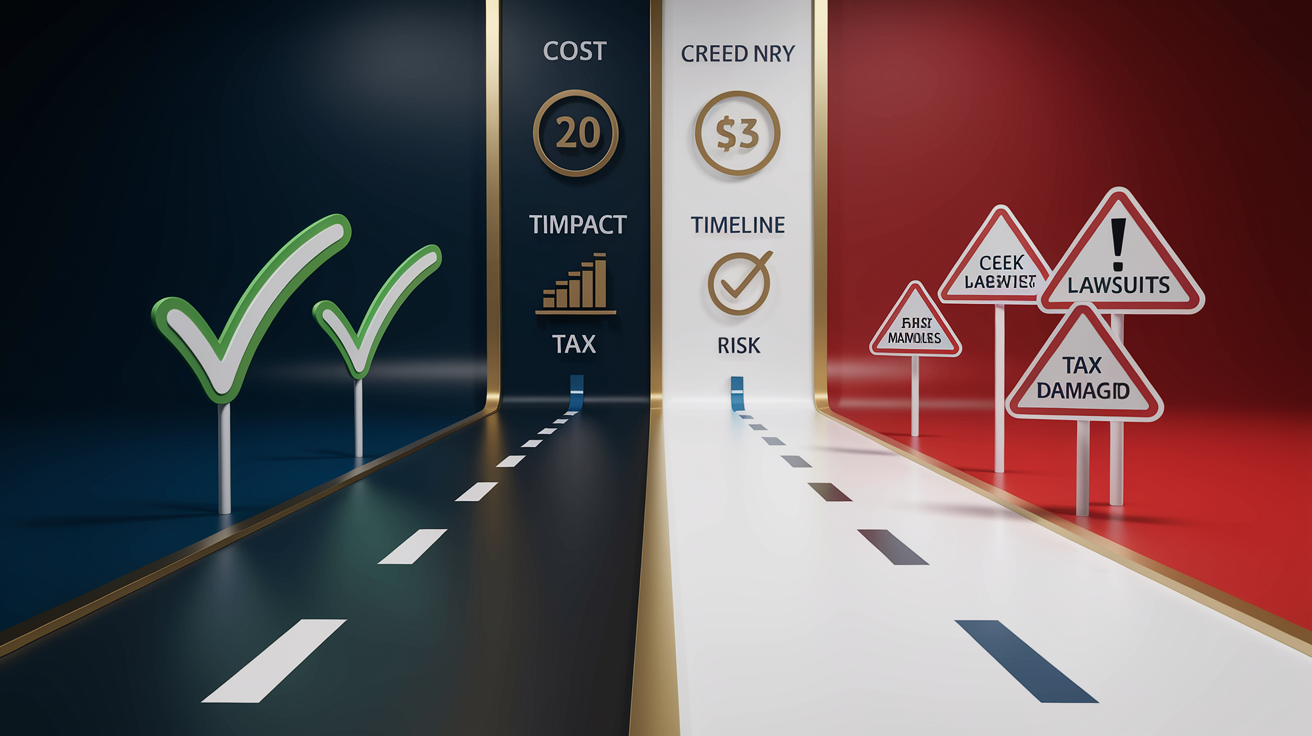
Both paths aim to reduce your debt burden, but they get there through opposite mechanisms and carry vastly different consequences for your credit, your wallet, and your timeline.
| Category | Consolidation | Settlement | Key Takeaway |
|---|---|---|---|
| Process | Borrow one new loan or use balance transfer card to pay off old debts in full | Withhold payments and save cash; negotiate lump-sum offers for less than owed | Consolidation keeps you current; settlement requires default |
| Cost | Interest (6–36% APR); possible origination fees 1–8%; transfer fees 3–5% | Settlement fees 15–25% of original debt; creditor may accept 20–50% reduction | Settlement reduces principal but adds agency fees and possible tax on forgiven amount |
| Credit Impact | Short-term inquiry dip; long-term improvement possible if utilization drops and payments are on-time | Scores can drop 50–150+ points; settled accounts and late payments remain on report up to 7 years | Consolidation protects credit; settlement damages it severely |
| Timeline | Loan funding 1–3 days; repayment terms 12–120 months | Lump-sum accumulation 12–48 months; negotiations may take additional months | Consolidation begins immediately; settlement is a multi-year process |
| Risks | Qualifying requires good credit; reusing freed credit limits re-accumulates debt | Creditor lawsuits, wage garnishment, tax on forgiven debt over $600, no guarantee of settlement | Consolidation risk is behavioral; settlement risk is legal and financial |
| Total Payment Outcome | Full principal repaid plus interest and fees; total may be lower due to reduced APR | Reduced principal (20–50%) plus settlement fees (15–25%) plus possible tax liability | Settlement may cost less in principal but adds complexity and credit damage |
Costs, Fees, and Tax Implications for Both Options

Understanding the real cost of each option means looking beyond the monthly payment. Debt consolidation typically involves an origination fee, commonly 1 to 8 percent of the loan amount, which gets deducted from the proceeds or added to your balance. Balance transfer cards charge a one-time fee of 3 to 5 percent of the balance you move, so transferring $10,000 costs $300 to $500 upfront. Those fees eat into your net savings, so when you’re comparing APRs, factor the fee into your total cost.
Debt settlement adds a different layer of costs. Settlement companies usually charge 15 to 25 percent of the original debt amount as their fee, and some also charge monthly account maintenance fees while you save the lump sum. That $10,000 settlement negotiated down to $5,000 will cost you the $5,000 payment plus roughly $1,500 to $2,500 in company fees. On top of that, the IRS requires creditors to report any forgiven debt of $600 or more on Form 1099-C, and you may owe income tax on the forgiven amount unless you qualify for an exclusion based on insolvency or bankruptcy. If you forgive $5,000 and your marginal tax rate is 22 percent, you could owe $1,100 in federal income tax on the canceled debt.
Unexpected costs that influence the decision:
- Balance transfer promotional windows expire after 12 to 21 months. Any remaining balance after the window closes accrues interest at the card’s regular APR.
- Consolidation loans with longer terms may lower your monthly payment but increase the total interest you pay over the life of the loan.
- Late fees and default interest rates pile up while you withhold payments during settlement negotiations.
- Settlement tax liability on 1099-C income can turn a “good deal” into a financial surprise at tax time.
- Legal fees if a creditor sues you during settlement can add thousands of dollars in additional costs.
Eligibility Requirements for Consolidation vs. Settlement

To qualify for debt consolidation, lenders typically want a credit score of at least 620, though competitive interest rates usually demand a score of 660 or higher. Your debt to income ratio (the percentage of your gross monthly income going toward debt payments) should generally fall below 40 to 45 percent. Balance transfer cards with attractive 0 percent promotional offers often require excellent credit, meaning scores above 700. If your score is lower or your income is inconsistent, you may still get approved for a personal loan, but the APR may be high enough that consolidation saves you little or no money compared to your current rates.
Debt settlement programs are typically pursued by borrowers who can’t keep up with required payments and have already fallen behind. Settlement companies often want your accounts to be at least 60 to 180 days past due before creditors will negotiate seriously, and most firms set a minimum debt threshold of $5,000 to $10,000 in total unsecured debt to make the process economically viable for their business model. You also need to show you can set aside monthly deposits that will grow into a lump sum large enough to make a credible settlement offer (usually 20 to 50 percent of the total debt) within a reasonable timeframe.
Home equity consolidation products add another layer of qualification. You must have sufficient equity in your home, verifiable income, and the willingness to undergo an appraisal and pay closing costs. If you default, the lender can foreclose on your home, so this option is only suitable for borrowers who are confident they can make the new monthly payment without fail.
Credit Score and Credit Report Impact of Each Option
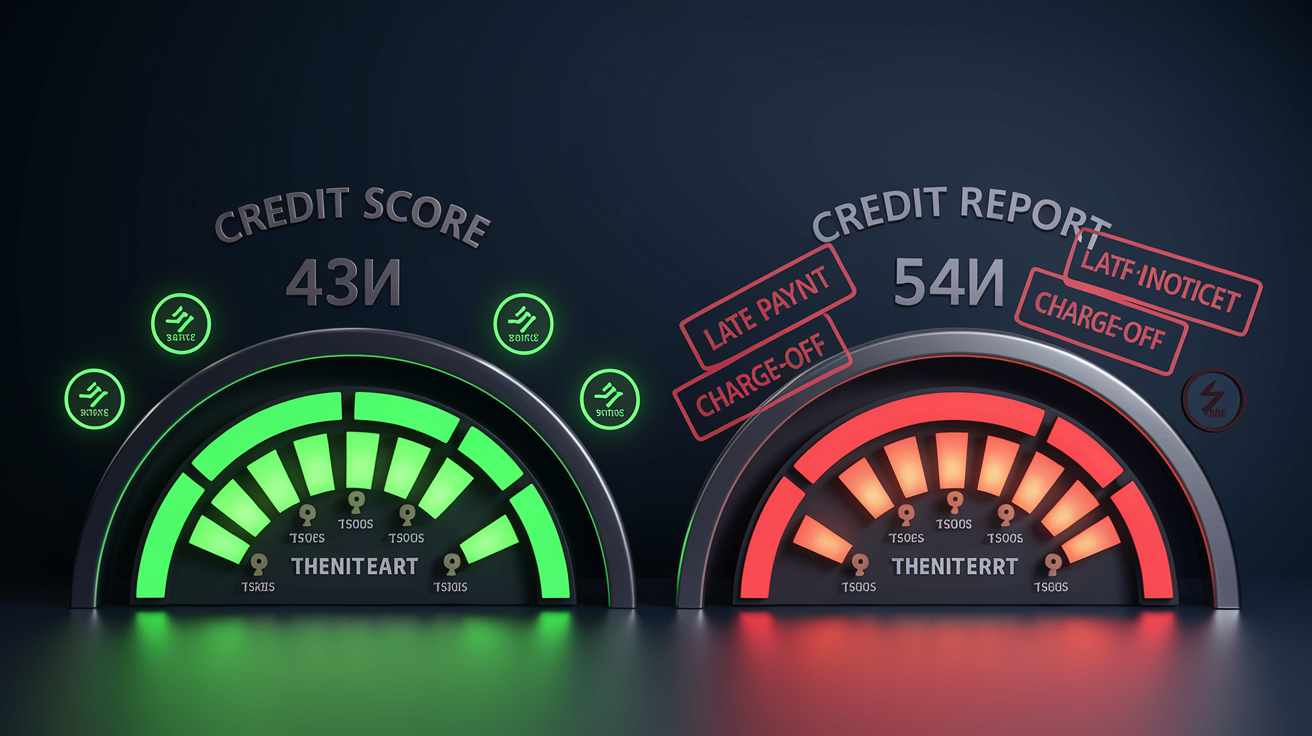
Debt consolidation creates a short-term dip in your credit score because the lender runs a hard inquiry and you open a new account, which lowers your average account age. But if you use the loan to pay off credit cards and reduce your credit utilization ratio (the percentage of your available credit you’re using), your score can recover and even improve within six to 24 months, provided you make on-time payments on the new loan and don’t run up new balances on the cards you just paid off.
Debt settlement inflicts severe and lasting damage. Missing even one payment can drop your credit score by 100 points or more. As you withhold payments and accounts become delinquent, creditors report late payments, charge-offs, or collection accounts to the credit bureaus. Settled accounts remain on your credit report for up to seven years from the date of first delinquency, and the notation “settled for less than the full balance” signals to future lenders that you didn’t honor the original terms. Recovery is slow. Rebuilding credit after settlement typically takes two to five years of consistent on-time payments on new credit accounts, and some lenders may deny you altogether during that period.
Most impactful credit factors:
- Hard inquiries from consolidation applications usually reduce scores by fewer than 10 points and fade after 12 months.
- Credit utilization improvement from paying off revolving accounts can boost scores by 20 to 50 points or more if utilization drops below 30 percent.
- Missed payments during settlement can each reduce scores by 50 to 100 points and compound as additional months are skipped.
- Settled accounts and charge-offs remain visible on credit reports for seven years, limiting access to new credit and favorable rates during that window.
Real Cost Examples: Comparing Debt Consolidation and Debt Settlement

Numbers make the tradeoff clearer. Say you owe $20,000 spread across three credit cards with an average APR of 18 percent. If you consolidate that debt into a 60-month personal loan at 10 percent APR, your monthly payment will be approximately $424, and you’ll pay about $5,440 in total interest over five years, for a total repayment of $25,440. Your credit stays intact, and you have a clear payoff date.
Now consider settlement. If you negotiate that same $20,000 down to $12,000 (a 40 percent reduction), it sounds like a great deal. But if you use a settlement company that charges 20 percent of the settled amount, you owe the company $2,400 in fees. Your out-of-pocket cost becomes $14,400. On top of that, the $8,000 in forgiven debt is likely taxable income. If your marginal tax rate is 22 percent, you owe $1,760 in federal income tax. Your true cost is now $16,160, and your credit score has dropped dramatically, and you have negative marks on your report for up to seven years.
| Scenario | Consolidation Cost | Settlement Cost | Notes |
|---|---|---|---|
| $20,000 debt at 18% APR | $25,440 total (60 months at 10% APR consolidation loan) | $16,160 total ($12k settlement + $2,400 fees + $1,760 tax) | Settlement saves principal but damages credit severely and adds fees/tax |
| $15,000 debt at 24% APR | $17,940 total (36 months at 12% APR consolidation loan) | ~$10,650 total (50% settlement + 20% fee + tax estimate) | Consolidation preserves credit; settlement reduces total but credit harm lasts 7 years |
| $10,000 balance transfer at 0% for 18 months | $10,300 ($10k principal + $300 transfer fee) if paid before promo ends | ~$7,800 total (50% settlement + 20% fee + modest tax) | Balance transfer requires excellent credit; settlement requires delinquency |
Decision Framework to Choose the Best Strategy

Choosing between consolidation and settlement comes down to seven core questions that reflect your financial situation, your credit profile, your ability to make payments, and your tolerance for risk and credit damage.
-
What’s your current credit score? If it’s 660 or higher and you haven’t missed payments, you likely qualify for consolidation loans or balance transfer cards with interest rates lower than your current debts. If your score has already dropped below 600 because of missed payments, consolidation may not offer a meaningful rate improvement, and settlement becomes a more realistic option.
-
Can you afford the monthly payment on a consolidation loan or balance transfer? Use an online loan calculator to estimate payments at realistic APRs. If the payment fits your budget and leaves room for essentials, consolidation is the safer path. If even a reduced monthly payment is out of reach, settlement or a debt management plan may be necessary.
-
Are you already behind on payments, or are creditors threatening legal action? If you’re current and want to stay that way, consolidation protects your credit. If you’re 60 or more days past due and can’t catch up, settlement may be your only option short of bankruptcy.
-
How much total unsecured debt do you owe? Settlement companies typically require at least $5,000 to $10,000 in total debt. Smaller balances are often better handled through DIY negotiation, a debt management plan, or aggressive repayment using the snowball or avalanche method.
-
Can you save a lump sum over 12 to 48 months while withholding payments? Settlement requires that you build cash reserves to make credible settlement offers. If your income is too low or unstable to save while missing payments, settlement isn’t feasible.
-
Are you willing to accept severe credit damage and possible tax liability in exchange for principal reduction? Settlement can erase thousands of dollars in debt, but negative marks remain on your report for up to seven years, and forgiven debt may generate a 1099-C that increases your taxable income. If preserving your credit is important for a future home purchase, auto loan, or job that requires a credit check, consolidation is the better choice.
-
What’s your realistic timeline to become debt-free? Consolidation offers a fixed repayment schedule and a clear end date. Settlement is unpredictable. Negotiations can drag on, creditors may refuse offers, and you may face lawsuits. If you need certainty and structure, consolidation wins.
If your answers point toward stable income, good credit, and the ability to make monthly payments, debt consolidation is almost always the better path. If you’re deep in delinquency, can’t afford consolidation payments, and need principal relief at any cost, settlement may be your last option before bankruptcy.
Alternatives Beyond Consolidation and Settlement

Debt consolidation and debt settlement aren’t the only ways to tackle overwhelming debt. A debt management plan, offered through nonprofit credit counseling agencies, typically lasts three to five years and involves negotiating lower interest rates with your creditors while you make a single monthly payment to the agency, which distributes funds to each creditor. DMPs don’t reduce your principal balance, but they can lower your interest rates to single digits, and the counseling process includes budgeting education and ongoing support. Your accounts remain in good standing as long as you make on-time payments to the agency, and many creditors will re-age your accounts and remove late payment notations after you complete a certain number of consecutive payments.
Bankruptcy is another option when debt is truly unmanageable. Chapter 7 bankruptcy can discharge most unsecured debts within four to six months, though it stays on your credit report for 10 years and you may lose non-exempt assets. Chapter 13 bankruptcy involves a court-supervised repayment plan lasting three to five years, after which remaining eligible debts are discharged. It remains on your credit report for seven years. Bankruptcy provides immediate legal protection from collection activity and wage garnishment, and in some cases it’s the fastest and cleanest route to a fresh financial start.
If your debt is relatively small and you have steady income, the debt snowball or debt avalanche method may be all you need. The snowball method prioritizes paying off your smallest balance first to build momentum and psychological wins, while the avalanche method targets the highest interest debt first to minimize total interest paid. Both strategies require discipline and consistent extra payments, but they cost nothing in fees and preserve your credit as long as you stay current. Free or low-cost credit counseling from a nonprofit agency accredited by the National Foundation for Credit Counseling or the Financial Counseling Association of America can help you model each option, calculate costs, and choose the path that fits your situation without the sales pressure of for-profit settlement firms.
Final Words
Compare the immediate effects: consolidation replaces multiple debts with one loan or 0% transfer to lower interest and simplify payments. Settlement cuts balances but hurts credit, adds fees, and may bring taxes.
Rule of thumb: choose consolidation if your income is steady and credit is decent; choose settlement if accounts are deeply delinquent and you can’t pay.
Use the decision framework above to weigh cost, timeline, and risk and figure out how to choose between debt consolidation and debt settlement. You can make a better plan.
FAQ
Q: What is the core difference between debt consolidation and debt settlement?
A: The core difference between debt consolidation and debt settlement is consolidation replaces multiple debts with a new loan or card, while settlement negotiates a reduced payoff with creditors, often after missed payments.
Q: Which option hurts my credit more, consolidation or settlement?
A: Settlement hurts credit more than consolidation, often dropping scores 50–150+ points and leaving derogatory marks up to seven years; consolidation may cause a small, temporary dip from a credit inquiry but can improve scores over 6–24 months.
Q: How much can consolidation save me versus settlement?
A: Consolidation can save interest if you lower your APR — for example, $15,000 at 24% versus 12% can save about $3,263 in interest; settlement reduces principal but adds fees and tax risk.
Q: What fees and taxes should I expect with each option?
A: Expect settlement fees of about 15–25% of original debt, consolidation origination fees of 1–8%, balance transfer fees 3–5%, and possible taxable income over $600 from forgiven debt (1099‑C), unless exceptions apply.
Q: Who qualifies for consolidation versus settlement?
A: Consolidation usually needs decent credit (about 620+, best at 660+) and DTI under 40–45%; settlement requires delinquency (60–180+ days), savings to build a lump sum, and firms often prefer balances of $5k–$10k or more.
Q: How long does each process usually take?
A: Consolidation funding often takes 1–3 days, with repayment from 1–10 years depending on term; settlement typically takes 12–48 months to save funds and complete negotiations with creditors.
Q: Can I negotiate a settlement myself, and how do I start?
A: You can negotiate a settlement yourself by saving a lump sum, calling creditors with a lower offer, documenting every agreement, and using traceable payments; start low and be ready to walk away.
Q: What are the biggest risks of choosing settlement?
A: The biggest risks of settlement are severe credit damage, accounts reporting as settled or charged off for up to seven years, possible lawsuits or wage garnishment, settlement fees, and taxable forgiven debt.
Q: Will consolidation reduce my monthly payments?
A: Consolidation can reduce monthly payments if you lower your APR or extend the loan term; beware that longer terms may raise total interest even while monthly cost falls. Balance transfer promos can lower payments short term.
Q: When should I consider alternatives like a debt management plan or bankruptcy?
A: Consider a debt management plan if you want structured repayment and counseling; consider bankruptcy when debts are unmanageable and you need legal protection. A nonprofit counselor can help compare these options.
Q: How will each option affect the total amount I pay?
A: Consolidation often lowers total interest if APR drops; settlement lowers principal but adds fees and possible taxes, which can sometimes make the total cost similar or higher than repayment under a loan.
Q: What immediate steps should I take to decide between consolidation and settlement?
A: To decide, list outstanding balances and APRs, check your credit score, estimate savings from lower APR versus settlement reductions and fees, calculate tax exposure, and consult a nonprofit counselor or financial advisor.