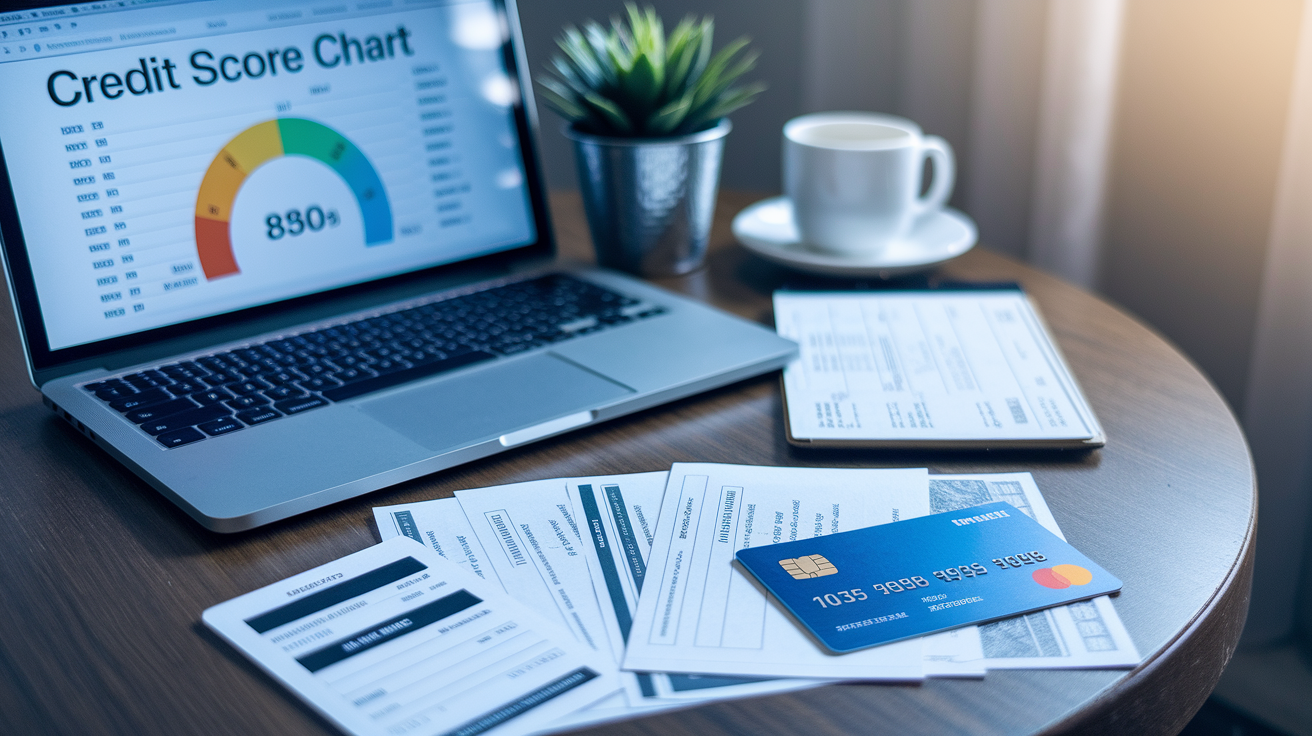

Think consolidating your credit card debt will instantly lift your score? Think again.
When you apply, expect a small, short-term hit.
A hard inquiry and a new account can cut your score by about 5 to 15 points.
But consolidation can also lower revolving balances and simplify payments, which often boosts scores in a few months if you pay on time and avoid new charges.
Short-term dip, possible long-term gain.
This post explains what moves your score and how to protect it.
Immediate Credit Impacts of Debt Consolidation

When you apply for a consolidation loan or balance transfer card, the lender pulls your credit report. That hard inquiry drops your score by a few points, usually no more than five if you’ve got established credit. The inquiry stays on your report for 24 months but only affects your FICO calculation for the first 12. Opening the new account lowers the average age of your credit accounts too, which creates another small dip. Most people see these effects add up to somewhere between 5 and 15 points in the first few weeks after consolidating.
Your utilization changes depend on the method. If you use a personal loan to pay off credit cards, you’re shifting the debt from revolving balances to an installment account. Your credit card utilization can fall close to zero percent, which often boosts your score quickly, sometimes within one or two billing cycles. Transfer balances to a new or existing card and your utilization on that single card may spike temporarily, hurting your score until you pay the balance down.
Once the initial drops stabilize, most people start seeing improvements within a few months. Consolidation works best when you make on-time payments and don’t accumulate new balances on the cards you just cleared. The short-term harm usually gets outweighed by the long-term benefits, especially if consolidation helps you stay current and cuts your total monthly interest.
Long-Term Credit Score Effects of Debt Consolidation

Payment history makes up 35 percent of your FICO score. It’s the single largest factor. If consolidation replaces multiple due dates with one manageable payment, you’re less likely to miss a deadline. Each on-time payment strengthens your history, and after six to twelve months of consistent payments, many people see real score gains. Miss even one payment and you can undo those benefits, so automation or reminders matter during the repayment phase.
Lower utilization becomes a lasting advantage if you keep your paid-off credit cards open and resist using them. Consolidation with a personal loan shifts debt from revolving to installment, which can keep your revolving utilization near zero percent as long as you don’t add new balances. That stable, low utilization supports long-term score health. The improvement in credit mix (having both installment and revolving accounts) accounts for about 10 percent of your FICO score, and adding a loan when you previously carried only cards can help modestly.
The real gains unfold over months and years. As your balances shrink, your payment to debt ratio improves. As your consolidation account ages, its initial drag on average credit age fades. Studies show that paying off revolving debt with a personal loan can raise a credit score by more than 80 points over time when combined with disciplined repayment and no new high balance debt.
Credit Score Effects by Consolidation Method
Balance Transfer Credit Cards
A balance transfer moves high interest card debt to a new card offering a low or zero percent introductory APR, often for 12 to 21 months. Because you’re still using revolving credit, your overall utilization may increase temporarily if the new card’s limit is similar to the balance you transfer. Move ten thousand dollars to a card with a twelve thousand dollar limit and that card shows 83 percent utilization until you pay it down. The transfer fee, typically 3 to 5 percent of the amount moved, adds to your total cost. Once you reduce the transferred balance, your overall revolving utilization can improve, especially if you keep your old cards open with zero balances.
Personal Loan Consolidation
A personal loan replaces your revolving balances with a fixed term installment loan. Rates generally range from about 6 percent to 36 percent depending on credit, and terms run from 12 to 120 months. Paying off your cards with the loan brings revolving utilization to near zero percent, which can boost your score within one to two billing cycles. The loan itself adds a hard inquiry and a new account, which may lower your score by a few points at first. Over time, on-time loan payments build positive payment history, and the installment account diversifies your credit mix if you previously held only credit cards.
Debt Management Plans
A debt management plan through a nonprofit credit counseling agency can lower interest rates and consolidate payments, but it often requires you to close your credit card accounts. Closing accounts reduces your total available credit, which raises your utilization ratio on any remaining open cards. Average account age may also drop if the closed cards were older. The plan itself may appear on your credit report with a notation that alerts lenders you’re in a structured repayment program. Despite the short term utilization and age impacts, consistent on-time payments through the plan gradually rebuild your score, and many people complete a DMP in three to five years with improved credit health.
| Method | Main Short-Term Effect | Main Long-Term Effect |
|---|---|---|
| Balance Transfer Card | May increase utilization on the new card; adds hard inquiry | Lowers interest cost; can improve utilization once balance decreases |
| Personal Loan | Drops revolving utilization to near 0%; hard inquiry and new account reduce score slightly | Builds payment history; adds installment account to mix; can raise score significantly |
| Debt Management Plan | Requires closing cards, which raises utilization and may lower average account age | Structured payments reduce debt and improve payment history over 3–5 years |
Factors That Determine Whether Your Score Rises or Falls
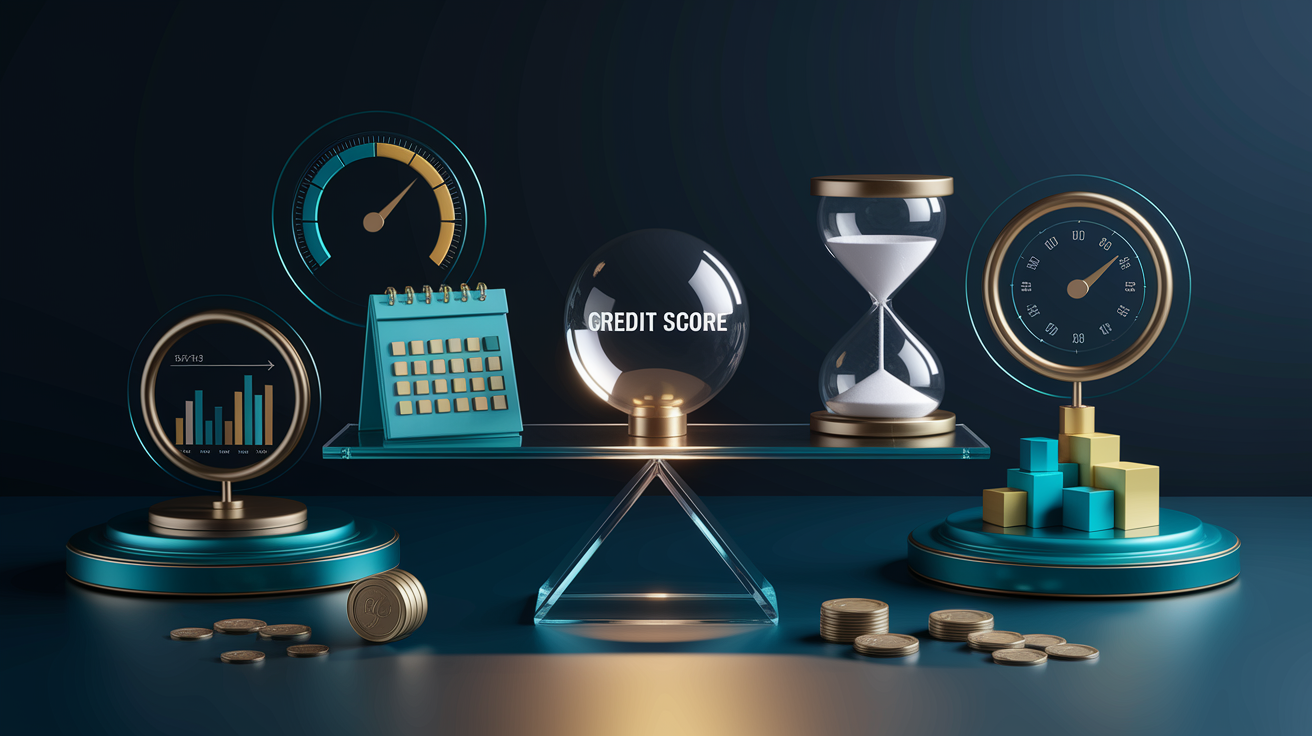
Several credit scoring variables shift when you consolidate, and how they move determines your overall score trajectory.
Credit utilization ratio carries about 30 percent weight in FICO scoring. Moving card balances to a personal loan can drop your revolving utilization to zero percent, while transferring to another card may temporarily raise utilization on that card. Keeping utilization below 30 percent is generally favorable. Below 10 percent is even better.
Payment history accounts for 35 percent of your score. Consolidation simplifies payments, reducing the risk of missed due dates. Every on-time payment strengthens your history. Even one late payment can cause a significant drop.
Average age of credit accounts makes up about 15 percent of your score. Opening a new consolidation loan or card lowers your average account age. The impact fades over time as the account ages.
Credit mix contributes roughly 10 percent to your score. FICO considers the variety of accounts you hold. Adding an installment loan when you previously had only revolving credit can help modestly.
Total debt and debt to income context matters too. While debt to income ratio isn’t part of the FICO formula, lenders evaluate it when approving new credit. Lower total debt can improve future approval odds even if your score remains similar.
These factors interact in complex ways. If you pay off three high utilization cards with a personal loan, your utilization drops sharply and can offset the small hit from the hard inquiry and new account. If you then close those three cards, your available credit shrinks and your utilization may rise again if you carry any remaining balances. The combination of behaviors matters more than any single factor.
Practical Steps to Protect or Improve Your Credit During Consolidation

Taking deliberate actions before, during, and after consolidation can minimize harm and speed up score recovery.
Enable autopay or set calendar reminders. On-time payments are the most important factor. Automate the minimum payment at a minimum, then add extra principal manually if your budget allows.
Avoid opening new credit accounts. Each application adds a hard inquiry and lowers average account age. Wait until your consolidation account is at least six to twelve months old before applying for new credit.
Keep old credit card accounts open. Unless an account carries a high annual fee or you know you’ll overspend, leave paid-off cards open to preserve available credit and maintain average account age.
Track your revolving utilization. Try to keep total credit card balances below 30 percent of your combined limits, ideally below 10 percent. Pay down balances before the statement closing date to report lower utilization.
Don’t add new debt to cleared cards. Resist the temptation to use newly available credit. New balances increase utilization and total debt, undoing the consolidation benefits.
Monitor your credit reports and score. Use free monitoring tools or services that provide FICO scores and real-time alerts. Check for errors or unexpected changes and dispute inaccuracies promptly.
Consolidation is a tool, not a cure. The real credit gains come from sticking to a repayment plan, making payments on time, and avoiding the behaviors that created high balances in the first place. If you consolidate and then run up new card debt, you’ll end up with both the loan payment and new revolving balances, which can hurt your score more than doing nothing.
Common Misconceptions About Debt Consolidation and Credit Scores
Many people assume consolidation will immediately raise their credit score or erase their debt. Neither is true.
Consolidation automatically improves your credit score right away. It doesn’t. The initial hard inquiry and new account can actually lower your score in the short term.
Paying off credit cards with a loan removes the debt from your credit report. The debt is still there, just reorganized. Your credit report will show the original accounts as paid or closed and the new loan or card as an additional account.
Closing paid-off credit cards after consolidation helps your score. Actually, closing cards reduces your available credit, which can raise your utilization ratio and lower your score.
Debt consolidation is the same as debt settlement or forgiveness. Consolidation reorganizes existing debt into a new structure. It doesn’t reduce the total amount you owe unless you negotiate lower interest rates or fees. Debt settlement involves negotiating to pay less than you owe and typically results in serious, long lasting credit damage.
Consolidation, when executed carefully with on-time payments and controlled spending, can improve your score over time. But it requires discipline and a realistic repayment plan.
Final Words
Start by expecting a small, short dip in your score after consolidation. A hard inquiry and a new account can shave a few points, and closing cards may affect your credit age or utilization.
Over time, on-time payments, lower revolving balances, and a diversified mix of accounts can lift your score. Different methods (balance transfer, personal loan, debt management plan) change the path but not the goal.
Use autopay, monitor reports, avoid new debt, and keep older accounts open. That’s how debt consolidation affects your credit score: manageable, often improving with steady payments and time.
FAQ
Q: How much will my credit score drop if I do debt consolidation?
A: The credit score drop from debt consolidation is usually small and temporary, often a few points from a hard inquiry and new account, with bigger changes tied to payment behavior afterward.
Q: How badly does debt consolidation hurt credit?
A: Debt consolidation hurts credit mildly at first—mainly from a hard pull or new account—but can help or hurt more over time depending on payments, utilization, and whether old accounts stay open.
Q: Why does Dave Ramsey say not to consolidate debt?
A: Dave Ramsey says not to consolidate debt because it can mask overspending, encourage continued use of credit, and interfere with his snowball plan that pays one account off at a time.
Q: What is the biggest killer of credit scores?
A: The biggest killer of credit scores is late or missed payments, since payment history is a large factor and delinquencies, collections, or charge-offs cause big, lasting score drops.