
Which actually saves you more: a 0% balance transfer or a steady personal loan?
Both can cut what you pay, but in very different ways.
A balance transfer gives a short 0% window, which is great if you can pay fast.
A personal loan gives a fixed rate and steady monthly payments, which helps if you need more time.
So which is cheaper for you?
It depends on how much you owe, how quickly you can pay, and your credit.
This post shows fees, examples, and a simple guide to help you pick which will likely save the most.
Comparing Balance Transfers and Personal Loans: Which Borrowers Benefit Most

A balance transfer credit card lets you move existing high-interest credit card debt onto a new card with a 0% intro APR, usually for 12 to 21 months. You don’t pay interest on the transferred balance during that window, but you’ll pay a one-time fee of about 3% to 5%. A personal loan gives you a lump sum to knock out multiple debts at once. You get a fixed rate and fixed monthly payments for two to seven years. Interest starts right away, and most lenders charge an origination fee between 1% and 10%.
The biggest split comes down to timing versus stability. Balance transfers reward speed. You save the most if you clear the debt before the promo expires and the card’s regular APR takes over, often 20% or higher. Personal loans reward consistency. Your payment stays the same every month, making it easier to budget, and you won’t get blindsided by a rate spike if you miss a deadline. Which one saves you more depends on how much you owe, how fast you can pay, and what your credit looks like.
Balance transfers work best for borrowers with good to excellent credit (mid-600s or higher) who have moderate credit card debt and a solid plan to finish within 12 to 21 months. Personal loans fit better if you’re juggling larger or mixed debts, need a longer payoff window, or don’t qualify for those 0% transfer deals. Here’s a quick breakdown:
- Go with a balance transfer if you owe under $10,000, your credit’s strong, and you can handle aggressive monthly payments to finish before the promo ends.
- Go with a personal loan if you owe $10,000 or more, need two to five years to repay, or want the same fixed payment every month.
- Go with a balance transfer if all your debt sits on credit cards and you want to avoid interest short term.
- Go with a personal loan if you’re consolidating different types of unsecured debt or can’t get a high enough limit on a transfer card.
- Go with a personal loan if your credit’s fair and you need consolidation options even without a 0% promo.
Interest Rates, Fees, and Total Cost Comparison
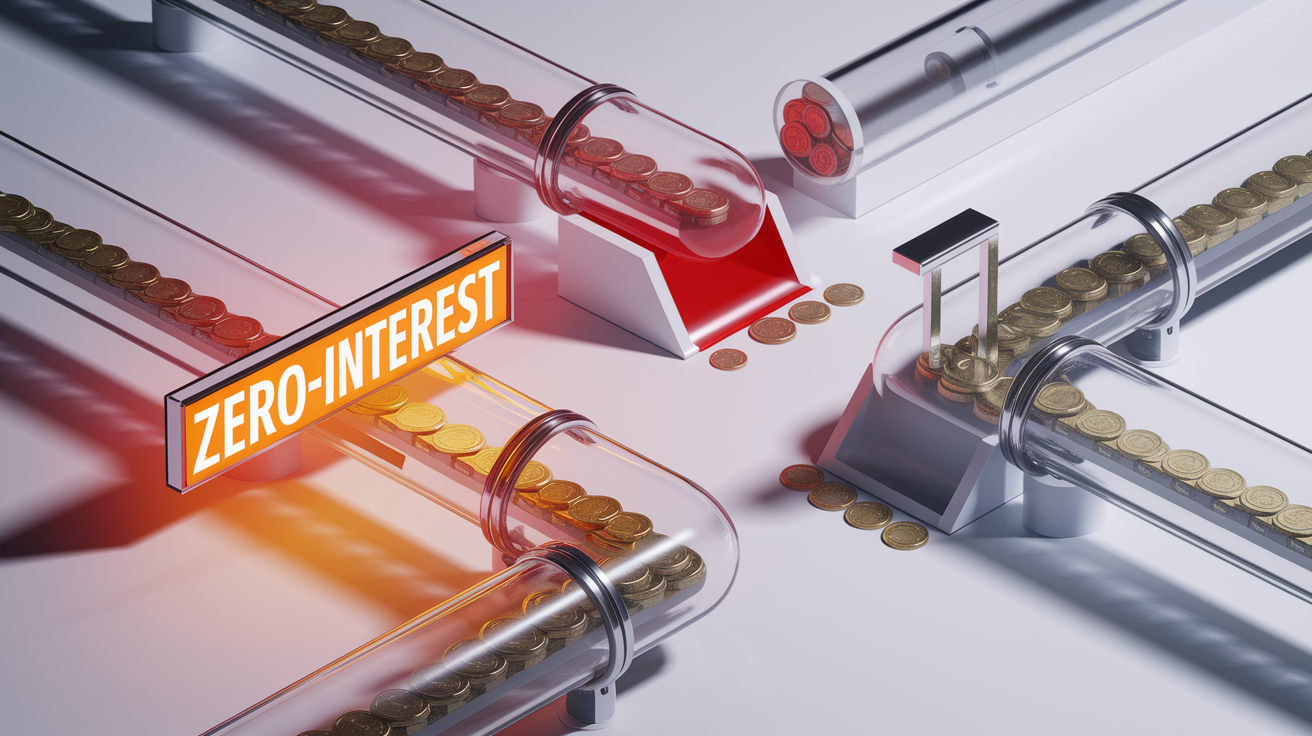
Balance transfer cards advertise 0% APR during the promo period, which runs 12 to 21 months depending on the issuer. That rate only covers the transferred balance, and you pay the 3% to 5% transfer fee upfront. Any balance left when the promo ends gets hit with the card’s standard APR, typically 18% to 25%. Personal loans charge interest from day one. APRs usually range from 6% to 36% based on your credit, income, and how risky the lender thinks you are. Most personal loans also include an origination fee of 1% to 8%, either taken from your loan amount or added to what you owe.
Total cost over time hinges on how fast you pay. A balance transfer can be cheaper if you wipe out the debt during the 0% window, since you’re only covering the fee and principal. A personal loan spreads interest across every month of the term, so even a reasonable APR adds up if you stretch it over five years. The table below compares the key cost factors.
| Cost Factor | Balance Transfer | Personal Loan |
|---|---|---|
| APR | 0% for 12–21 months, then 18%–25% | 6%–36% fixed for the entire term |
| Upfront Fee | 3%–5% of transferred amount | 1%–8% origination fee |
| Promotional Period | 12–21 months of 0% interest | None, interest starts immediately |
| Potential Long‑Term Cost | Low if paid in promo; high if balance rolls to standard APR | Predictable; total interest depends on APR and term length |
Repayment Terms and Flexibility

Personal loans lock you into a fixed term, usually 24 to 60 months, with the same monthly payment every cycle. That makes it easy to plan your budget and know exactly when you’re done. You can typically pay extra or finish early without penalty, but check your lender’s prepayment rules first. The tradeoff is that even if you get a windfall and want to pay it off, you’ve already paid interest on every month that passed.
Balance transfer cards give you more flexibility in one way. You can pay any amount above the minimum each month and adjust based on your cash flow. But that flexibility comes with a hard deadline. If you don’t pay off the full transferred balance before the promo ends, whatever’s left gets hit with the card’s regular APR, often 20% or more. That rate sticks around going forward, so any leftover balance becomes expensive fast.
The real danger is overestimating how fast you can pay. If something unexpected comes up (car repair, medical bill, job loss) and you can’t keep pace, a balance transfer can end up costing more than a personal loan would have. A personal loan’s fixed term protects you from that surprise rate jump, even though you’re paying interest from the start.
Eligibility Requirements and Credit Score Considerations
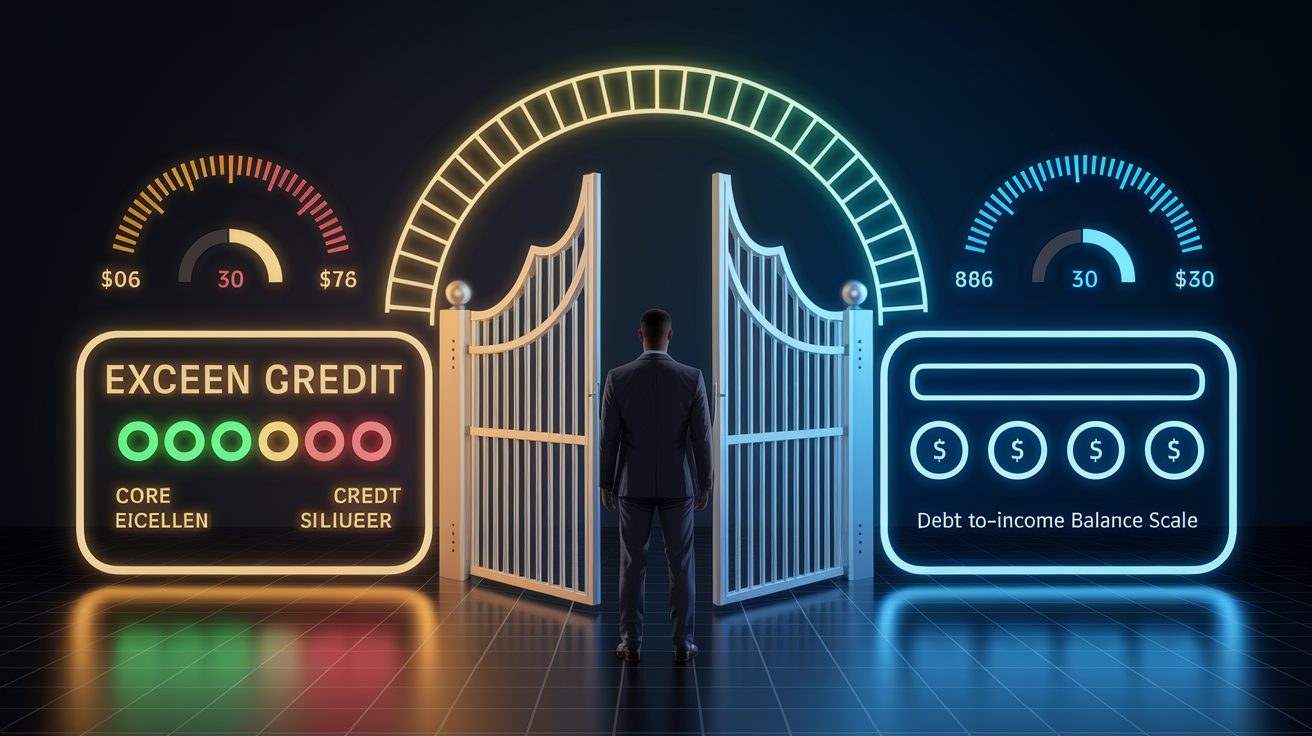
Balance transfer credit cards usually require good to excellent credit, often a FICO score of 680 or higher, to snag the best 0% promo offers. Issuers treat these cards as a privilege product, so the longest promo periods and highest credit limits go to borrowers with strong payment histories and low utilization. If your score’s in the fair range (roughly 580 to 669), you might still get approved, but expect a shorter intro period, higher transfer fee, or lower credit limit than what’s advertised.
Personal loans are available across a wider credit range. Plenty of lenders work with borrowers who have fair or even poor credit, though your rate reflects the added risk. Someone with a 720 score might qualify for 7% APR, while a 620 score could see offers around 18% to 25%. The approval process looks at your credit score, debt to income ratio, job stability, and sometimes your bank account history. Lenders focus on these factors:
- Credit score opens the door to lower rates and better terms.
- Payment history matters, especially late payments or defaults in the past two years.
- Debt to income ratio needs to show your monthly debts (including the new loan) don’t eat up more than about 40% of your gross income.
- Income stability helps, whether that’s steady employment or verifiable self-employment income.
Pros and Cons of Balance Transfers

Balance transfers can save you hundreds or thousands in interest if you pay off the balance before the promo ends, but they need discipline and a realistic payoff plan.
Pros:
- 0% APR during the promo means every payment hits principal.
- Big potential interest savings if you clear the debt within 12 to 21 months.
- Can improve credit utilization if the new card boosts your total available credit.
- No origination fee, just the one-time transfer fee.
- Some issuers let you prequalify with a soft credit check before applying.
Cons:
- Transfer fee of 3% to 5% adds upfront cost ($300 on a $10,000 transfer, for example).
- Short repayment window means you have to pay aggressively to finish before the promo expires.
- Any balance left after the promo gets charged the card’s standard APR, often 20% or higher.
- Missing a payment can cancel the 0% rate and trigger penalty APR.
- Requires good to excellent credit to qualify for the best offers.
Pros and Cons of Personal Loans

Personal loans give you predictable monthly payments and longer repayment windows, but they charge interest from day one and often include an origination fee.
Pros:
- Fixed monthly payment makes budgeting simple.
- Longer repayment terms (24 to 84 months) bring down monthly payment amounts.
- Can consolidate multiple types of unsecured debt: credit cards, medical bills, payday loans.
- Interest rate and term are locked in, so no surprise rate hikes.
- Available to borrowers with fair or poor credit, though rates run higher.
Cons:
- Origination fee of 1% to 10% cuts into the money you actually receive or raises total cost.
- Interest starts right away, even if you pay early.
- Longer terms mean more total interest over the life of the loan.
- Hard credit inquiry when you apply can ding your score temporarily.
- Monthly payment is required every month. Missing payments hurts your credit and can lead to default.
Cost Examples: Balance Transfer vs Personal Loan in Real Numbers
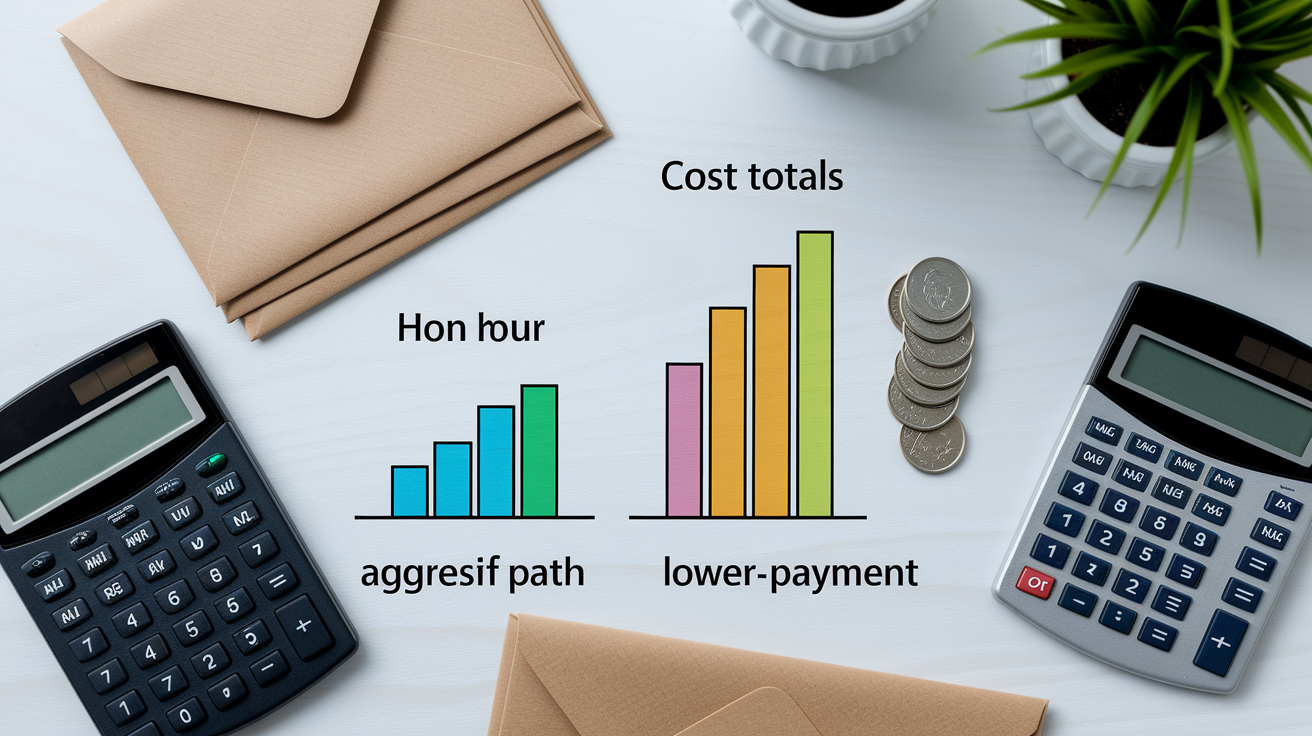
Say you owe $5,000 on a credit card at 22% APR and want to pay it off fast. You qualify for a balance transfer card with 0% APR for 15 months and a 3% transfer fee, adding $150 upfront. Your new balance is $5,150. To clear it before the promo ends, you’d pay about $343 per month for 15 months, and your total cost would be $5,150. If you kept the debt on your original card and paid $343 per month, it would take 17 months and cost roughly $5,831 total, about $681 more.
Now picture the same $5,000 debt, but you need three years to pay it off. A personal loan at 10% APR with a 3% origination fee ($150) gives you a loan total of $5,150. Your monthly payment would be around $166, and over 36 months you’d pay roughly $5,976 total, about $826 in interest after the fee. If you used a balance transfer card with a 15-month promo and could only afford $166 per month, you’d pay off about $2,490 during the promo and still owe $2,660 when the 20% standard APR kicks in. Finishing that remaining balance would take another year and cost you an extra $300 or more in interest, pushing your total above $5,600 and adding stress.
When to Choose Each Option: Scenario‑Based Recommendations

The best choice depends on your debt size, repayment speed, and credit profile. Balance transfers shine when you can move fast and finish strong. Personal loans work better when you need time and predictability.
- Choose a balance transfer if you owe under $8,000 in credit card debt, have a credit score above 680, and can realistically pay off the balance within 12 to 21 months without draining emergency savings.
- Choose a personal loan if you owe $10,000 or more, need two to five years to pay it off comfortably, or want fixed monthly payments that fit your budget without the risk of a surprise APR jump.
- Choose a balance transfer if your debt is purely credit card balances and you want to eliminate interest during the promo period to maximize savings.
- Choose a personal loan if you’re consolidating different types of debt (credit cards, medical bills, old personal loans) and want one predictable payment each month.
- Choose a personal loan if your credit score’s in the fair range (580–669) and you can’t qualify for a 0% balance transfer offer, or if the credit limit on a transfer card wouldn’t cover your full debt.
- Choose a balance transfer if you’ve already built a detailed payoff plan, confirmed the monthly payment fits your income, and you’re confident you won’t miss the promo deadline, because even one slip can wipe out your savings.
Final Words
in the action, we defined balance transfers and personal loans and showed how 0% intro APR, fixed rates, fees, and terms change the math.
We compared costs, repayment flexibility, credit needs, and gave clear scenarios for who wins with each option. You should now see whether fast payoff, steady payments, or eligibility matters most for your debt.
If you’re asking balance transfer vs personal loan which is better, use your timeline and credit score to choose. Either way, you’ve got a practical path forward.
FAQ
Q: Is it better to do a balance transfer or personal loan?
A: Choosing between a balance transfer or a personal loan depends on debt size, credit, and payoff time. Balance transfers suit small debts you can clear during a 0% period; loans fit larger or longer repayment needs.
Q: Is a balance transfer better than a loan?
A: Choosing between a balance transfer or a personal loan depends on debt size, credit, and payoff time. Balance transfers suit small debts you can clear during a 0% period; loans fit larger or longer repayment needs.
Q: How much will it cost in fees to transfer a $1000 balance?
A: Transferring a $1,000 balance will cost about $30–$50 in upfront fees with a typical 3–5% balance transfer fee; watch for added fees or promotional rules that raise the real cost.
Q: How much would a $30,000 personal loan cost per month?
A: A $30,000 personal loan payment depends on rate and term; for example, at 8% over 60 months it’s about $609 per month, while at 18% over 60 months it’s about $785 per month.