
What if juggling five business debts is the real reason your cash flow looks shaky?
Multiple due dates, different interest rates, and surprise fees eat your time and cash.
Debt consolidation replaces several payments with one predictable monthly loan.
It can lower your monthly bill, cut the rate on high-cost debt, and make forecasting easier.
But extending terms or paying origination fees can raise total costs.
This post shows practical consolidation options for small business owners, how approval and fees work, and how to compare offers so you make a smarter choice.
Understanding Key Solutions for Consolidating Small Business Debt

Debt consolidation for small business owners means taking out one new loan to pay off several existing debts. The new loan becomes your only monthly obligation, replacing multiple payments with different due dates, interest rates, and creditors. Your total debt doesn’t vanish, but the structure shifts to make repayment simpler and usually more predictable.
When you consolidate business debt, the lender gives you enough to close out your existing balances. You then make one monthly payment to the new lender over an agreed term. The point is usually to cut down on the number of accounts you’re tracking, lower your effective interest rate, smooth out cash flow, or stretch the repayment window to free up working capital.
Consolidation makes sense when you spot specific red flags:
You’re managing more than two active business debts with staggered due dates and different interest rates. Your blended annual percentage rate (what borrowing actually costs you overall) is above 12 percent. Monthly debt payments are eating 10 to 20 percent or more of your monthly revenue, leaving little room for payroll, inventory, or surprises. Cash flow swings wildly, making it hard to predict whether you can meet all payments on time each month. You’re juggling expensive merchant cash advances or business credit card balances carrying rates above 15 to 30 percent.
A single consolidated payment feels easier and can reduce interest. But extending the repayment term lowers your monthly bill while often raising the total interest you pay over the life of the loan. A 60 month consolidation at 10 percent might cost less each month than three separate 24 month loans at 18 percent, but that longer timeline means more months of interest piling up. You’re trading short term relief for long term cost, so compare the total amount repaid, not just the monthly number.
Comparing Debt Consolidation Options for Small Business Owners
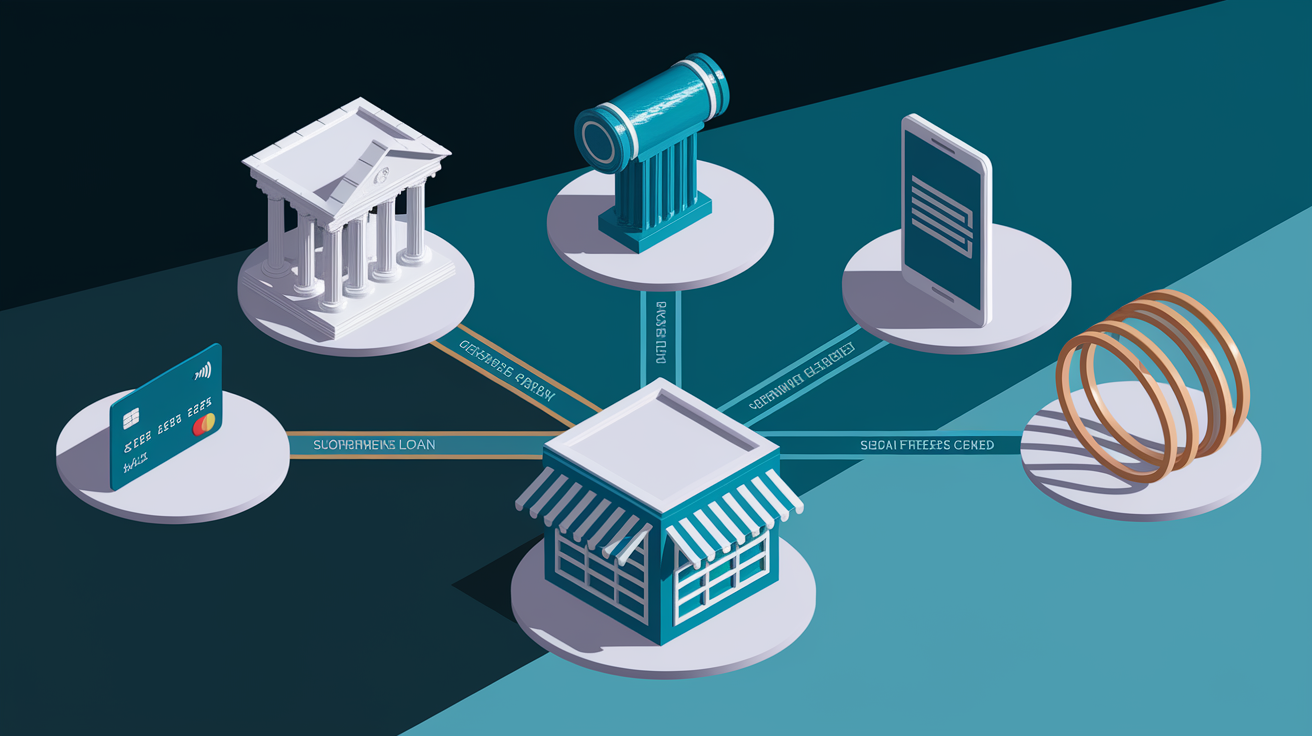
Small business loan consolidation can happen through several channels. Each has different approval speeds, loan sizes, terms, and cost structures. Choosing the right one depends on how much you owe, how quickly you need funds, and the strength of your credit and revenue.
SBA 7(a) loans are backed by the Small Business Administration and allow loan amounts up to 5,000,000 dollars. Terms can stretch to 10 years for working capital and equipment, or 25 years when real estate is involved. SBA Express is a faster version that caps at 350,000 dollars and often approves within 4 to 6 weeks instead of 8 to 12 weeks for standard SBA 7(a). Both typically offer lower interest rates for businesses with strong credit and collateral, but approval requires meeting SBA eligibility rules and working through an SBA approved bank or credit union.
Traditional bank and credit union term loans range from 25,000 to 5,000,000 dollars and carry terms of 1 to 10 years. Interest rates are generally lowest for well qualified borrowers but can take 2 to 8 weeks to close. Online lenders offer small business consolidation loans from 5,000 to 500,000 dollars, with approval and funding often completed in 1 to 7 business days. Annual percentage rates from online lenders typically fall between 7 and 30 percent depending on your credit profile, revenue, and whether the loan is secured. Speed costs you, so you pay more for convenience and flexible underwriting.
Business balance transfer credit cards and business lines of credit work for short term or flexible consolidation needs. Balance transfer cards sometimes offer 0 percent introductory APR for 6 to 18 months, but charge a 3 to 5 percent transfer fee upfront. Credit limits usually range from 5,000 to 50,000 dollars depending on your credit and the issuer. Lines of credit are revolving accounts that let you draw 10,000 to 250,000 dollars or more as needed, paying interest only on the outstanding balance. They’re good for smoothing seasonal cash flow but harder to budget when you keep drawing and repaying unpredictably.
| Option | Typical Amounts | Rate/Term Summary | Best For |
|---|---|---|---|
| SBA 7(a) / SBA Express | Up to $5M (7a) or $350k (Express) | Competitive rates, 4–25 year terms, 4–12 week approval | Established businesses needing large consolidation and willing to wait |
| Bank/Credit Union Term Loan | $25,000–$5,000,000 | Low rates for strong credit, 1–10 year terms, 2–8 week close | Stable businesses with solid financials and time for underwriting |
| Online Lender Term Loan | $5,000–$500,000 | 7–30% APR, 1–7 year terms, 1–7 day funding | Businesses needing speed or with thinner credit profiles |
| Business Balance-Transfer Card | $5,000–$50,000 limits | 0% intro for 6–18 months, 3–5% transfer fee | Smaller balances you can pay within the intro period |
| Business Line of Credit | $10,000–$250,000+ | Interest on drawn balance only, variable rates, revolving access | Ongoing working-capital smoothing, not one-time consolidation |
Eligibility Factors That Influence Consolidation Approval

Lenders evaluate a mix of business performance and owner creditworthiness before approving consolidation loans. Most want at least 1 to 2 years in business, though some online lenders accept newer companies with strong revenue and personal credit. Annual revenue thresholds vary by loan size and lender type. Many online platforms set minimums between 50,000 and 150,000 dollars in gross sales. Banks and SBA programs often require 100,000 to 250,000 dollars or higher, especially for larger loan amounts.
Personal credit scores matter even for business debt consolidation because most small business loans include a personal guarantee. Online lenders often approve borrowers with credit scores starting around 620 to 650, but pricing improves at 680 and above. Banks and SBA programs typically prefer scores of 680 or higher for competitive rates. Collateral becomes more common when the loan exceeds 50,000 to 250,000 dollars or when the business lacks consistent cash flow. Equipment, real estate, inventory, or accounts receivable can all serve as security.
Lenders also calculate debt service coverage ratio, or DSCR. It compares your net operating income to total debt obligations. A DSCR above 1.25 means you’re generating 25 percent more income than needed to cover debt payments, signaling lower risk. Strong cash flow statements improve your odds of approval and let you negotiate lower interest rates or waive certain fees. Weak cash flow or a DSCR below 1.0 can trigger higher rates, shorter terms, or outright denial.
Costs, Fees, and Interest Considerations in Small Business Debt Consolidation

Interest rates on consolidation loans for small businesses range from around 7 percent for well qualified bank borrowers to 30 percent or more from alternative online lenders serving higher risk profiles. The rate you receive depends on credit scores, revenue stability, collateral, and the lender’s risk model. Extending your repayment term from 3 years to 5 or 7 years lowers the monthly payment but increases the total interest you’ll pay because each dollar accrues interest over more months.
Expect to encounter several types of fees when consolidating business debt. Origination fees of 1 to 6 percent of the loan amount, deducted from proceeds or added to the principal. Balance transfer fees of 3 to 5 percent when moving debt to a business credit card. SBA guarantee fees and lender packaging fees that vary by loan size and program, often totaling several hundred to several thousand dollars. Prepayment penalties on some bank or specialty loans if you pay off the balance early, though many online lenders skip this fee. Application or underwriting fees charged by certain banks or brokers before approval. Late payment penalties if you miss a due date, which can also trigger default interest rates.
To decide whether consolidation saves money, calculate the break even point for upfront fees. Divide the total fee by the monthly payment reduction. If origination costs you 2,000 dollars and you save 150 dollars each month, you break even in about 13 months. Any repayment beyond that point is real savings. If you plan to pay off the loan within a year, a large fee might cost more than you save in interest.
How Consolidation Affects Business Credit and Financial Stability
Applying for a new consolidation loan triggers a hard inquiry on your credit report, which can reduce your credit score by 0 to 5 points in the short term. If you apply to multiple lenders within a short window (typically 14 to 45 days, depending on the scoring model), those inquiries get grouped as a single event, minimizing the impact. Most business loans also pull your personal credit, so both your business and personal scores might see a small dip.
Paying off revolving accounts like business credit cards reduces your overall credit utilization. That’s the ratio of balances to credit limits. Lower utilization generally raises your credit score. But closing paid off accounts can shorten your average account age and reduce your total available credit, both of which might lower your score slightly. If you keep the old accounts open with zero balances, you preserve account history and total credit, which often offsets the inquiry hit within a few months.
Consolidation improves financial stability by replacing unpredictable, staggered due dates with a single fixed monthly payment. This makes cash flow forecasting easier and reduces the risk of missed payments, which are the most damaging factor for credit scores. Lenders also view a streamlined debt structure more favorably when you apply for future financing, because it signals discipline and control. On time payments on the consolidated loan build positive payment history, which accounts for the largest portion of most credit scoring models.
Step-by-Step Application Process for Consolidating Small Business Debt

The consolidation process moves through four main phases. Each has specific tasks and timelines that vary by lender type.
Preparing financial documents
Lenders need a snapshot of your business financials and a detailed list of the debts you want to consolidate. Gather 2 to 3 years of business tax returns if your company has been operating that long, or 12 to 24 months of business bank statements if you’re newer. Include personal tax returns for all owners with 20 percent or more equity. Prepare a current profit and loss statement and balance sheet, ideally for the most recent month and year to date. Compile a debt inventory that lists each creditor’s name, current balance, interest rate, monthly payment, and account number. You’ll also need your business license, articles of incorporation or operating agreement, government issued ID for all owners, and accounts receivable aging reports if you plan to use invoice backed financing.
Reviewing lender criteria
Before submitting an application, confirm that you meet the lender’s minimum standards for time in business, annual revenue, and credit score. Traditional banks often require 2 or more years in business and annual revenue above 250,000 dollars. Online lenders sometimes accept 1 year in business and revenue starting around 50,000 to 100,000 dollars. Check whether the lender accepts unsecured applications or requires collateral for your loan amount. Ask about debt service coverage expectations and whether the lender will count projected revenue from new contracts or seasonal peaks.
Submitting and underwriting
After you submit your application and documentation, the lender verifies your information and assesses risk. Online lenders often use automated underwriting and provide decisions within 24 to 72 hours, with funding in 1 to 7 business days. Traditional banks and credit unions conduct manual reviews that take 2 to 8 weeks. SBA loans involve both lender underwriting and SBA review, extending timelines to 4 to 12 weeks or longer for complex deals. During underwriting, the lender might request additional documents, clarification on revenue dips, or updated bank statements.
Funding and payoff of old debts
Once approved, the lender disburses funds either directly to your existing creditors or into your business bank account. Direct payoff is cleaner because the lender sends certified payments to each creditor and you get confirmation that accounts are closed. If funds go to your account, you’re responsible for paying off each debt promptly and providing the lender with proof of payoff. Delays or missed payments can violate loan covenants and trigger penalties. After all debts are retired, your single consolidated payment begins according to the new loan’s amortization schedule.
Before you apply, double check these five items to smooth the process and improve your approval odds. Verify that your business and personal credit reports are accurate and dispute any errors at least 30 days before applying. Calculate your current blended APR and total monthly debt payments so you can compare offers objectively. Organize all required documents in digital format to speed up submission and avoid delays. Confirm that the lender allows consolidation of the specific debt types you carry, such as merchant cash advances or equipment leases. Review the lender’s fee schedule and ask for a written estimate of origination fees, prepayment penalties, and any third party costs before signing.
Alternatives to Consolidating Business Debt
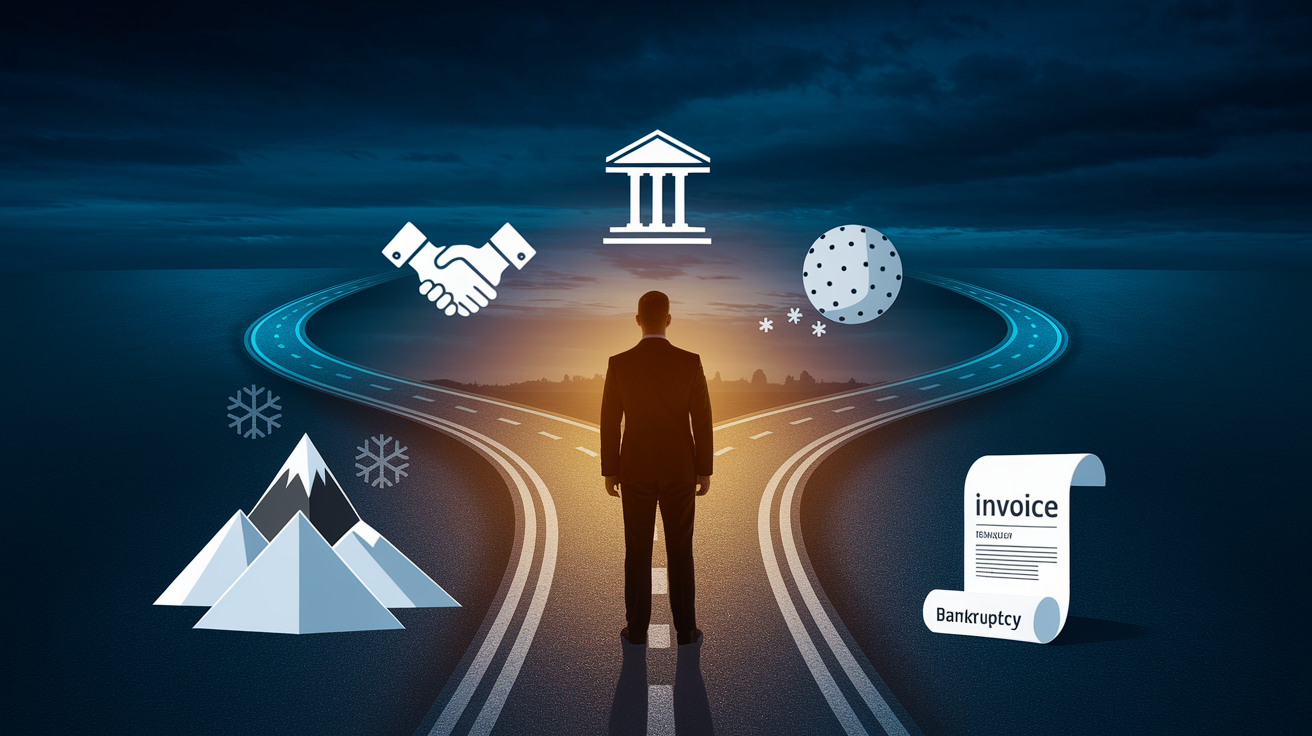
Debt settlement, restructuring, and negotiation offer paths that don’t require a new loan. Settlement involves negotiating with creditors to accept a lump sum less than the full balance, often 40 to 60 percent of what you owe. Creditors sometimes agree if your business is in serious distress and they’re worried about receiving nothing in bankruptcy. Settled debt can trigger a 1099 C tax form, meaning the forgiven amount is treated as taxable income. Settlement also damages your business credit score and can harm relationships with vendors or lenders you want to work with later.
Other alternatives include renegotiating interest rates or payment terms directly with existing creditors, especially if you have a history of on time payments and can demonstrate temporary hardship. Using the avalanche method, which prioritizes paying extra toward the highest interest debt first while making minimum payments on others, or the snowball method, which targets the smallest balance first for psychological momentum. Refinancing individual loans one at a time instead of consolidating everything, letting you improve terms on your costliest debts without extending the timeline on lower rate accounts. Invoice factoring or merchant cash advances to generate immediate cash, though these options carry higher effective costs and work better for short term gaps than long term restructuring.
If cash flow remains tight, direct negotiation with creditors can yield modified payment plans, temporary interest rate reductions, or extended due dates without the fees and credit impact of formal settlement. Some creditors prefer smaller, consistent payments over the risk of default. The avalanche and snowball strategies work best when you’ve got enough margin to make extra payments each month, which might not be realistic if revenue is unpredictable.
Bankruptcy should be a last resort. Chapter 11 reorganization lets businesses continue operating while restructuring debts under court supervision, but it’s expensive, time consuming, and publicly visible. Chapter 7 liquidation dissolves the business and distributes assets to creditors, ending operations entirely. Both filings severely damage credit and make future borrowing difficult. Invoice factoring provides fast cash by selling your receivables at a discount, typically 70 to 90 percent of face value, but the effective annual cost can exceed 30 to 50 percent when calculated over short cycles.
Real-World Examples of Small Business Debt Consolidation Outcomes
A small retail business carrying 50,000 dollars in total debt split across three accounts decides to consolidate. The existing debts include 20,000 dollars at 18 percent APR, 15,000 dollars at 22 percent, and 15,000 dollars at 9 percent. The owner secures a 50,000 dollar consolidation loan at 10 percent APR with a 60 month term. The monthly payment on the new loan is about 1,058 dollars. Over five years, the business will pay around 63,480 dollars in total, meaning roughly 13,480 dollars in interest. Comparing this to the blended cost of the original debts, which would’ve required higher monthly payments and significantly more interest on the 18 percent and 22 percent accounts, the consolidation saves money and creates a single predictable payment.
A service company with 20,000 dollars in business credit card balances at high interest rates applies for a balance transfer card offering 0 percent APR for 12 months with a 3 percent transfer fee. The upfront fee is 600 dollars, making the total amount owed 20,600 dollars. To pay off the balance before the promotional period ends, the company must pay about 1,716 dollars per month. If the business can sustain that payment, it avoids all interest charges beyond the initial fee. If cash flow falters and a balance remains after month 12, the remaining amount reverts to the card’s standard APR, which could be 15 to 25 percent, erasing much of the savings.
| Scenario | Loan Details | Monthly Payment | Total Cost |
|---|---|---|---|
| Retail consolidation | $50,000 at 10% APR, 60 months | ≈ $1,058 | ≈ $63,480 (interest ≈ $13,480) |
| Balance-transfer payoff | $20,000 at 0% for 12 months, 3% fee ($600) | ≈ $1,717 to finish in 12 months | $20,600 if paid on time, higher if balance remains |
Final Words
You’ve walked through what consolidation is, when it helps, and the main options, from SBA loans to balance-transfer cards.
You also saw eligibility rules, fees to watch, credit impacts, a step-by-step application plan, alternatives, and real examples.
Use the checklist and numbers here to compare offers and estimate true cost before you sign.
If consolidation fits, it can simplify payments and steady cash flow. Debt consolidation for small business owners can make operations easier, and your next step is smaller than it looks.
FAQ
Q: Can a business get a debt consolidation loan?
A: A business can get a debt consolidation loan if it meets lender rules and picks options like SBA loans, bank term loans, online lenders, or balance-transfer cards to combine multiple debts into one payment.
Q: How much is the payment on a $50,000 consolidation loan?
A: The payment on a $50,000 consolidation loan depends on rate and term; for example, at 10% APR over 60 months the monthly payment is about $1,058, with total interest around $13,480.
Q: How to pay off $30,000 in debt in 1 year?
A: To pay off $30,000 in debt in 1 year, you need about $2,500 a month plus interest, or boost income, cut expenses, use a side job, and focus on highest‑rate debts first.
Q: Why does Dave Ramsey say not to consolidate debt?
A: Dave Ramsey says not to consolidate debt because it can stretch repayment, raise total interest, and hide spending issues; he favors the debt snowball to build quick wins and stop re-borrowing.